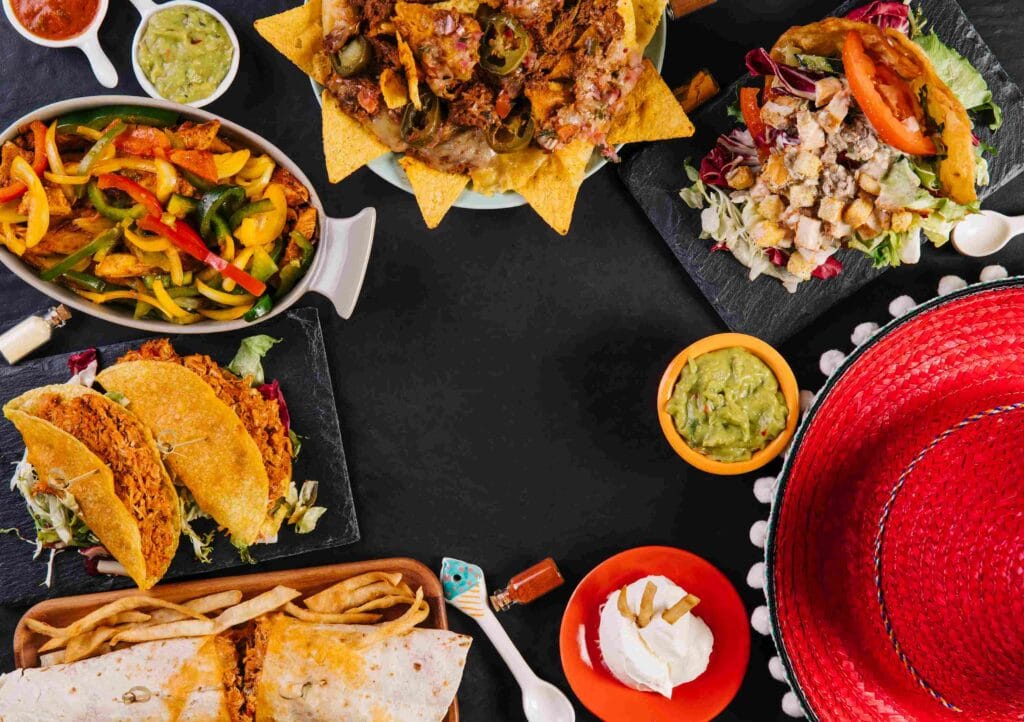
The food and beverage (F&B) industry in Indonesia is undergoing an interesting shift. Consumers are becoming more adventurous. They are no longer looking for “safe” flavors but are hunting for bold and exotic international sensations. However, there is an important note to consider. These flavor experiments must still have a thread connecting them to local palates.
This is where Latin American flavors come in as the perfect solution. Their flavor profiles share a unique similarity with Indonesian preferences. There are elements of challenging spice, refreshing sourness, and creamy sweetness. Adapting Latin flavors is not just about introducing foreign menus, but also serving as an innovation bridge for food and beverage producers. The role of flavor companies in Indonesia becomes crucial to translate these authentic profiles to fit the mass market.
Not Just a Passing Trend
Often, food trends come and go quickly. However, Latin flavors have characteristics that suggest they will endure. They have the potential to be long-lasting, much like the phenomenon of Matcha or Salted Caramel, which have now become menu standards everywhere.
Why is this the case? Latin flavors offer both comfort and a sense of adventure. Spiciness and rich spices are integral to Indonesia’s culinary heritage. Therefore, market acceptance of Latin flavors tends to be easier and faster compared to foreign flavors that are too bland or overly strange. This preference is a flavor profile that can be a long-term investment for a brand.
Dissecting Key Flavor Profiles (Star Ingredients)
To adapt to this trend, product developers need to understand which flavor components are the “stars” of the Latin palette. Here is the category breakdown:
1. Sweet & Indulgent
This category is perfect for the bakery, dairy, and confectionery industries.
- Dulce de Leche: At a glance, it resembles caramel, but it is different. Dulce de Leche has a profile that is much milkier and richer. It is not just burnt sugar, but slowly caramelized milk. It provides a luxurious and smooth mouthfeel.
- Churros & Cinnamon: This is a warm, familiar combination. A strong cinnamon aroma blends with sweet, fried dough notes. Perfect for bakery products or even hot beverages.
- Tres Leches: Inspired by a cake soaked in three types of milk. The profile is very creamy, “spongy” (wet), and sweet. A great choice for dairy-based innovation or ice cream.
2. Citrus & Tropical
Since Indonesia is a tropical country, these fruit profiles are easily accepted.
- Key Lime / Mexican Lime: Different from standard limes, this variant has a more aromatic, sharp, and floral profile. It delivers an “explosive” refreshing sensation.
- Pink Guava & Passion Fruit: Tropical fruits with very strong and distinct aromas. The character is dominant and provides instant freshness. Suitable for markets that enjoy strong-flavored drinks.
3. Heat & Savory
This is the category closest to the Indonesian tongue.
- Chipotle: Smoked Jalapeño peppers. It is spicy but has a deep smoky touch. It adds flavor complexity to savory foods.
- Jalapeño: Offers a fresh green heat that slightly stings the front of the tongue.
- Tajin Style: A unique and addictive combination. A blend of chili powder, sour lime, and salt. Often used as a fruit topping, but now popular for chips and candy.
Creating a “Signature Latin Blend”
The biggest challenge for manufacturers is creating products that are unique and not generic. Working with flavor company in Indonesia allows producers to achieve total customization. Products do not have to use standard factory flavors.
Adjusting Heat Level
Spiciness is sensitive. Indonesian consumers love spice, but tolerance varies. Producers can request specific heat level formulations. From mild Jalapeño for children’s snacks to extra hot Habanero for adult spicy chips. This flexibility is crucial so that the product is accepted by the target market it is intended for.
Fusion Flavor Innovation
Combining two flavor worlds often results in viral products. “Crazy” ideas can still be executed. For example, Mango-Chili combines the sweetness of fruit with the heat of chili. Or Chocolate-Chipotle, where dark chocolate gets a surprise hint of smoky spice. Even Coffee-Horchata could become a new mainstay menu item in coffee shops.
Technical Application Adjustments
Great taste must be supported by the right techniques. Flavor formulation for beverages (liquid/water-soluble) certainly has a different chemical structure than seasoning powder for chips. Flavor stability against high baking temperatures or beverage acidity must be calculated. This is where technical expertise is needed to ensure taste remains consistent from the factory to the consumer’s hand.
Product Application Recommendations
Unsure where to start? Here are some product application ideas that can be developed using Latin flavor profiles:
- Beverages (RTD & Powder): Try a creamy and spiced Horchata Latte. For a refreshing option, a Mojito Mocktail or Guava Tea can be a delightful thirst quencher.
- Snacks & Savory: Cassava or potato chips will be upgraded with Salsa Verde flavor. Coat peanuts with Taco seasoning, or simply Chili-Lime seasoning, for a delicious fried snack.
- Bakery & Confectionery: Donuts with Dulce de Leche filling will give a different melting sensation. Tropical Punch gum or Churros flavored ice cream can also attract the youth market segment.
Partnering with a Trusted Flavor Company
Flavor innovation requires the right partner. Raw material availability, quality consistency, and a deep understanding of food regulations are key to a successful new product launch.
Falmont Flavors, as a flavor company operating in Asia, understands these dynamics. With strong R&D capabilities and a deep understanding of both local tastes and global trends, Falmont is ready to assist the F&B industry in creating authentic yet commercially relevant Latin flavors. It is time to introduce a new wave of flavors that will captivate the Indonesian market.