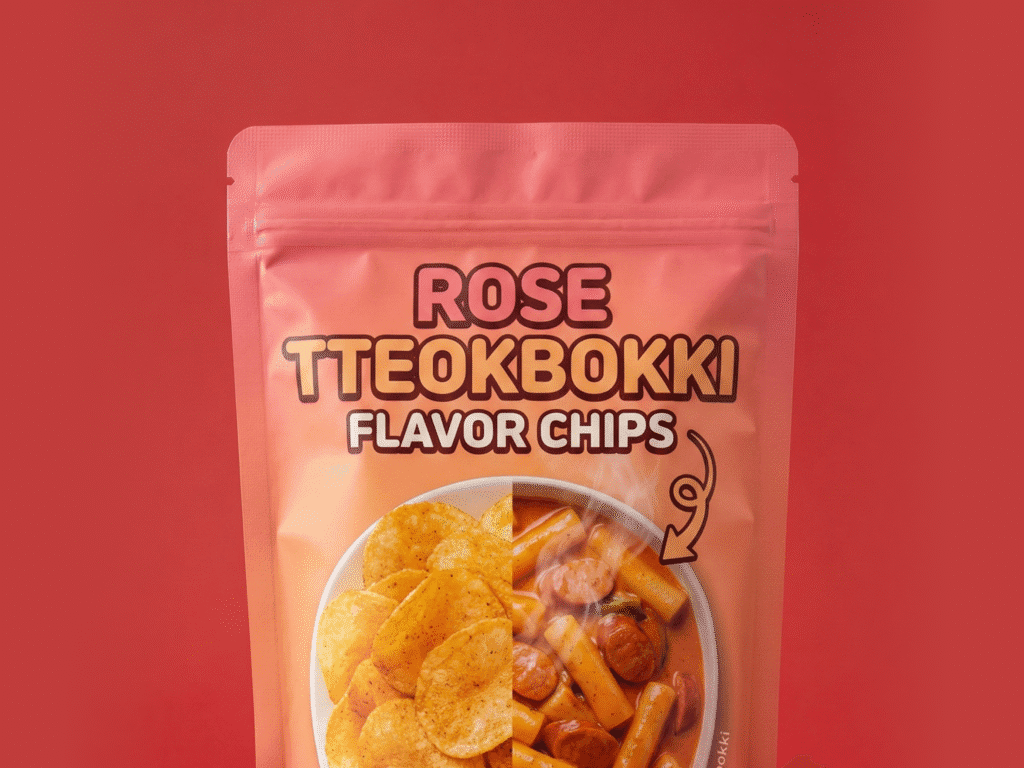
The Hallyu or Korean Wave is no longer just an entertainment trend. In Indonesia, its impact has reached deep into the Food & Beverage (F&B) industry. From fast food restaurants to instant noodle manufacturers and the snack industry, everyone is racing to bring unique Korean nuances to their products.
For F&B industry players, this is a golden opportunity. However, a crowded market also means tight competition. Simply sticking a “Korean Flavor” label on packaging is no longer enough to win consumer hearts. The main challenge is creating a flavor profile that is not only authentic but also possesses a unique character or “Signature Taste.”
This is where the strategic role of a flavor company in Indonesia becomes vital. Collaboration with flavor experts is necessary to translate the complexity of Korean cuisine into an efficient industrial format.
Why the Korean Flavor Palate is a Perfect “Market-Fit”
Why does the local palate accept Korean tastes so easily? The answer lies in the similarities of basic flavor profiles. Korean cuisine relies heavily on “bold” elements. There is a blend of kicking spiciness, deep savory notes (umami), and a balanced touch of sweet and sour.
These characteristics are very similar to local culinary preferences. People in this region love food that is rich in spices and has a strong taste. For example, the spiciness of Gochujang (Korean chili paste) shares a similar sensation with local chili sambal, but with an added dimension of unique fermented soy.
This compatibility or “Market-Fit” is what makes Korean-themed products have a high acceptance rate. Consumers do not need long to adapt. A familiar taste that offers a new sensation is the key to a product’s success in the mass market.
Potential Flavor Profiles for Hero Products
In developing new products, selecting flavor variants is a crucial step in the process. There are several Korean flavor profiles that have proven successful and still hold great potential for further exploration by F&B producers:
- Bulgogi (Korean BBQ Beef): This is the safest and most popular entry point. The flavor profile is dominated by savory grilled meat, a smoky touch, and sweetness from soy sauce and pear. It is very suitable for extruded snacks, chips, or marinade seasonings.
- Kimchi: This flavor offers high complexity. There is a fresh, sour sensation from fermentation, complemented by chili spice and savory garlic. This profile is highly in demand for instant noodles, coated peanuts, or crackers.
- Yangnyeom (Spicy Fried Chicken): This variant provides a spicy-sweet taste that is sticky and rich in spices. Garlic and ginger notes are usually quite dominant, providing warmth that local consumers love.
- Tteokbokki: Focuses on a sweet and spicy taste with a texture profile that is creamy and savory.
Delivering Authenticity with Cost Efficiency
One of the biggest dilemmas for R&D teams in the food and beverage (F&B) industry is striking a balance between authentic taste and the cost of goods sold (COGS). Using authentic raw ingredients like imported Gochujang paste or premium beef extracts will certainly skyrocket production costs.
The solution lies in flavor technology. A competent flavor company in Indonesia is capable of re-engineering flavor profiles. Flavorists can dissect flavor components from authentic Korean dishes and then restructure them using food-grade ingredients that are more efficient, yet still possess the same sensory profile.
In this way, manufacturers can obtain strong top notes (initial aroma) and thick body notes (core taste) without having to import expensive raw materials. Furthermore, the use of created flavors guarantees taste consistency in every production batch, something difficult to achieve if relying solely on fluctuating natural ingredients.
The Key to Creating a “Signature Taste”
So, how can a product avoid feeling generic? The key is in customization or tailor-made flavors. Using standard flavors sold freely (off-the-shelf) will result in a product that tastes identical to competitors.
Creating a “Signature Taste” involves designing a distinct flavor profile for a single brand. For instance, instead of just ordering a regular “Bulgogi” flavor, a manufacturer could request a “Smoky Charcoal Bulgogi with Honey Glaze” profile. Or for Kimchi flavor, it could be modified into “Extra Spicy Kimchi with Lime Hint” to provide freshness suitable for a tropical climate.
Small details, such as acidity levels, smoky intensity, or spice levels, are what consumers will remember as the product’s identity.
Collaborating with Falmont: Flavor Manufacturing Partner in Asia
To realize this flavor vision, choosing a strategic partner cannot be done carelessly. Falmont is here as a solution for the F&B industry, requiring more than just a flavor seller. As a flavor manufacturing company focused on the Asian market, Falmont truly understands the flavor nuances desired by Asian palates, especially the unique preference of the local market for Korean cuisine.
Falmont does not just provide a flavor catalog; it also acts as an R&D consultant. With the latest technology and a deep understanding of market trends, Falmont helps formulate precise flavor recipes. This ensures the final product is not only delicious but also stable during processing (heat-resistant), Halal-compliant, and cost-efficient.
Working with flavor experts like Falmont allows for the creation of product innovations with strong character. Amidst the barrage of similar products, having a “Signature Taste” is a long-term investment in building consumer loyalty and winning market competition.