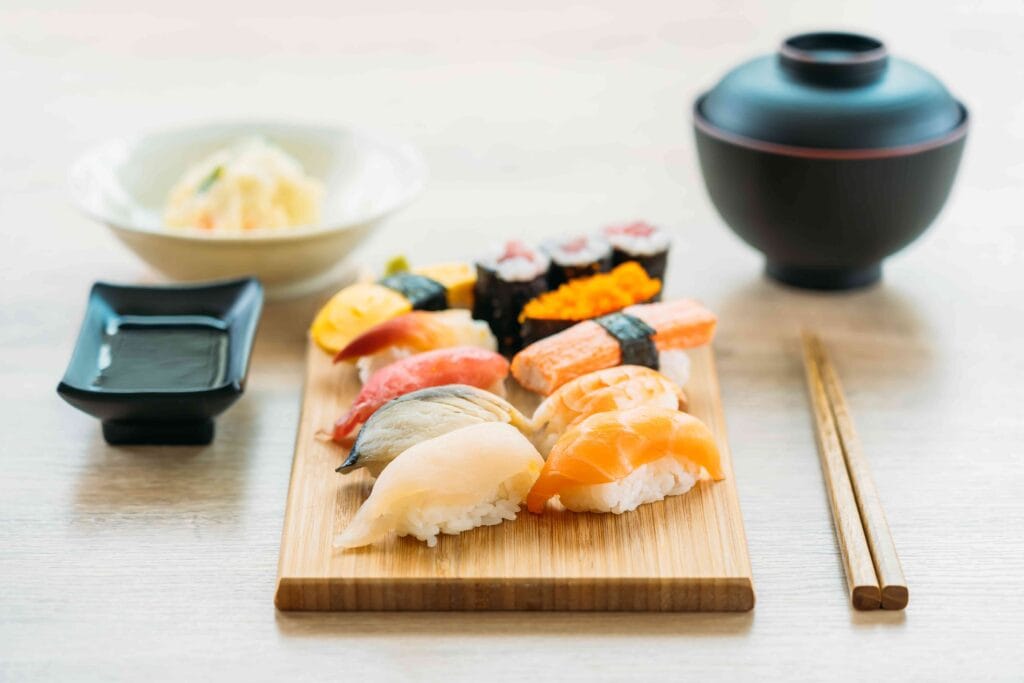
The food and beverage market in Japan always offers dynamic and fascinating trends. Consumers in this country are known for having incredibly high standards. They don’t just look for good taste. They demand quality, safety, and functionality all in one package. For industry players, understanding this shift is absolutely crucial.
Trends happening in Japan often serve as a barometer for other Asian markets. Many flavor innovations start there before becoming globally popular. Therefore, for a flavor company in Indonesia, observing these consumption patterns can be a valuable source of inspiration for developing new products.
The Dominance of Taste and Aroma
In the hierarchy of Japanese consumer purchasing decisions, taste and aroma sit at the very top. This factor proves to influence behavior far more than other product features. This is clearly evident in categories such as dairy products, processed meats, snacks, and meal preparation components.
Although consumers care about price and packaging, a disappointing taste gets no second chance. Products must deliver a satisfying sensory experience from the very first bite. The challenge lies in creating flavor profiles that are authentic yet remain relevant to modern lifestyles.
The Evolution of Bread and Bakery
Bread has now become a daily staple in Japan, alongside rice. Consumption is driven by a combination of health factors, indulgence, and a practical lifestyle. Innovation in this category is highly diverse.
One standout is the Hokkaido Milk & Butter flavor profile. Using the premium image of Hokkaido milk is very effective for highlighting a creamy, natural, and high-quality taste. Additionally, Roasted Sweet Potatoes or yaki-imo are also very beloved, especially during winter. This profile offers a perception of natural sweetness that is fiber-rich and healthy.
For a segment that is both sweeter and elegant, the Matcha & White Chocolate combination remains a classic choice. The bitter notes of green tea, renowned for their antioxidant properties, blend perfectly with the sweetness of white chocolate. Meanwhile, for the health bread segment, Whole Wheat & Honey is the right solution as honey provides natural sweetness without the impression of excessive artificial sugar.
Practical and Nutritious Breakfast Cereals
On busy mornings, consumers seek cereals that offer a balance between cost, taste, and nutrition. Traditional flavor profiles, such as Kinako (Roasted Soybean) & Brown Sugar, are very popular. This taste is considered very healthy due to high plant protein content and offers a warm, familiar nutty aroma.
Another refreshing option is Mixed Berry & Yogurt. This combination gives the impression of being vitamin-rich and suits consumers who want a light yet nutritious breakfast. For a target market seeking long-lasting energy, the Maple & Walnut flavor offers a premium experience that is also satisfying.
Authenticity in Meat and Fish
In the animal protein category, food safety is non-negotiable. Consumers are interested in products that use “real ingredients” and taste fresh. This is where flavors play a vital role in highlighting the natural character of raw materials.
The Yuzu Kosho (citrus and chili) profile is a smart solution. The zesty freshness of Yuzu fruit is highly effective at naturally reducing fishy odors in seafood. Meanwhile, Garlic Butter & Soy Sauce offers a strong, appetizing umami taste for chicken or beef products. There is also the Smoked Sea Salt & Herb trend, which offers a “clean label” profile, highlighting the authentic quality of the meat without artificial seasoning.
Innovation in Spreads
The spreads category is now divided into two camps: sweet and savory. Consumers are looking for products that are “safe” to consume but still delicious. Low-sugar and low-fat trends dominate here.
For sweet spreads, Rich Dark Chocolate (low-sugar) is a favorite for those who are afraid of calories but crave a snack. The Pistachio Cream flavor is also gaining popularity as it offers a luxurious and savory impression.
On the savory side, Corn Potage, a creamy corn soup flavor, provides a comforting taste that is iconic to the Japanese palate. Another option is Mentaiko Mayo (cod roe), which is popular as a toast spread or vegetable dipping sauce.
Flavor Solutions for Functional Products
Functional products, such as sports drinks or milk substitutes, often face challenges due to unappealing base tastes (off-notes). Choosing the right flavor profile can cover these flaws.
The Shine Muscat variant (premium green grape), with its fresh sweetness, is very effective at masking bitterness in collagen or protein drinks. For plant-based milks like oat or soy, Kurogoma (black sesame) is a perfect fit because it enhances the nutty notes while giving a perception of anti-aging benefits. The Royal Milk Tea flavor can also be applied to protein shakes to make them taste enjoyable, just like a regular café drink.
Partnering with Flavor Experts
Translating these complex trends into finished products requires technical expertise and a deep understanding of the market. Falmont is here as a strategic partner for the F&B industry to answer these challenges. As a leading flavor company in Asia, Falmont has the capability to create flavor profiles that meet the high standards of Japanese consumers.
The need for a capable flavor company in Indonesia that can provide high-quality international solutions is currently on the rise. Falmont is ready to support product innovation with a range of flavors that are authentic, safe, and captivating to the market’s palate.