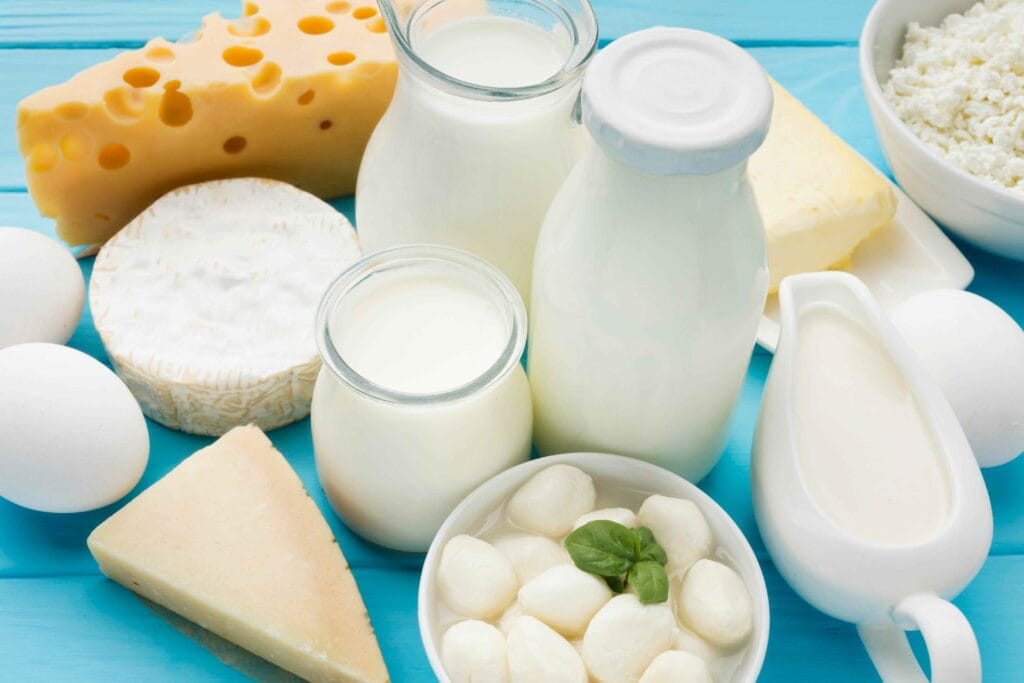
In the culinary world and food industry, taste is often considered king. However, an invisible element actually holds the reins of consumer satisfaction: texture or mouthfeel. When someone enjoys a slice of cake or sips a latte, the brain processes more than just sweetness or bitterness. The brain also processes physical sensations within the mouth. This is where dairy flavor profiles play a vital role.
The term “creamy” is often misunderstood as referring solely to the viscosity of a liquid. In reality, within flavor psychology, the term “creamy” is a sensation. It is a soft, round, coating sensation that seems to “hug” the tongue. This sensation creates a complete eating experience. Without a creamy touch, a product might feel rough, watery, or unsatisfying, even if the base flavor is already delicious.
The Psychology Behind Dairy: Nostalgia and Comfort
Why are dairy flavor profiles so highly sought after? The answer lies in human psychology. Dairy flavors—whether fresh milk, butter, or cream—have a strong connection to childhood memories. This is often the first taste known to humans. There is an element of familiarity that is soothing. The taste of milk sends signals of “safety” and “comfort” to the brain.
In a fast-paced and pressure-filled modern era, consumers seek a momentary escape. Food and beverages have evolved beyond mere biological necessities. F&B products have become a form of self-care. Consumers are looking for moments of indulgence, a small “reward” for themselves after an exhausting day. Soft textures and rich flavors are the keys to fulfilling this emotional need. Products with the right creamy profile are capable of delivering this inner satisfaction.
Therefore, for industry players, finding a flavor manufacturer in Indonesia that can effectively translate these emotions into flavor profiles is a strategic step. Selecting the right flavor can transform a standard product into something that feels premium and comforting.
Dissecting the Spectrum of Dairy Flavors
The world of dairy flavors is incredibly complex. Dairy does not stand on a single flavor point. There is a broad spectrum that product formulators can explore to create unique characteristics. Understanding this spectrum helps producers determine the direction of their products.
First, there is the Fresh & Milky profile. This represents fresh milk that has just been produced. Its characteristics are clean, light, and refreshing. This profile does not weigh down the palate and is perfectly suited for products that highlight natural freshness.
Second, the Rich & Buttery profile. Here, the sensations of fat and savoriness take center stage. The aroma of butter provides a perception of luxury and density. Products with this profile will feel more “expensive” and satiating due to the strong perception of richness.
Third, the Cultured & Tangy profile. This includes fermented flavors such as yogurt, cream cheese, or sour cream. There is a distinctive acidic tang. This profile adds depth and complexity to a product, ensuring it remains engaging even when consumed in larger quantities.
Finally, the Cooked & Sweet profile. Imagine the taste of condensed milk, milk caramel, or brown butter. This profile is highly indulgent. The aromas are warm and sweet, making it perfectly suited for dessert products that fully pamper the palate.
Applications Across Various F&B Categories
The flexibility of dairy profiles allows for application across various product categories. In the Beverages category, modern coffee trends rely heavily on mouthfeel. A latte or macchiato requires a thick milk texture to balance the bitterness of the coffee. The same applies to milk tea, chocolate drinks, and smoothies. The use of the right flavors can manipulate texture perception, making beverages feel thicker without the need for excessive raw milk ingredients.
In the Bakery & Confectionery category, dairy notes are the backbone of flavor. Bread fillings, donut glazes, caramel candies, and biscuits require a touch of milk for maximum deliciousness. The aroma of butter in cookies, for example, is a determinant of quality in the eyes of consumers.
It is not just sweet foods; the Savory category also benefits greatly. Pasta sauces like carbonara rely heavily on creamy sensations. Instant cream soups, sour cream & onion seasoning for chips, and salad dressings require fermented dairy or cream profiles to unite the various spice blends.
Strategic Partners for Flavor Innovation
Creating authentic and stable dairy profiles in mass production is a challenging task. Real milk poses challenges regarding cost, shelf life, and flavor consistency, which can change depending on the season. This is where the role of food technology becomes crucial. The industry needs solutions that are efficient yet remain delicious.
For producers currently seeking flavor companies in Indonesia to collaborate with, selecting a partner with a deep understanding of both local and global markets is essential. Falmont exists to answer this need. As a flavor manufacturing company operating in Asia, Falmont understands the palate preferences of consumers in this region.
Falmont offers a range of dairy flavor solutions designed to enhance texture and mouthfeel. With the latest technology, Falmont helps the F&B industry create products that are not only tasty but also provide emotional comfort to consumers. From fresh milk profiles to rich caramel, flavor innovation can be tailored to the product vision being built. Collaboration with flavor experts like Falmont opens opportunities to win in an increasingly tight market through superior flavor differentiation and texture.