The food and beverage industry in Southeast Asia continues to move dynamically. One market attracting significant attention at the moment is Vietnam. Consumers there are becoming increasingly critical. They seek not just good taste, but also added value behind the product. This shift demands innovation from food manufacturers.
For F&B industry players, understanding local preferences is the key to success. This is also a primary focus for any flavor company in Indonesia looking to expand export reach or serve clients with a regional market orientation. Trends in Vietnam currently converge on three main pillars: flavor authenticity, ingredient freshness, and health functionality.
The Fusion Wave: Tradition Meets Modernity
One of the most prominent phenomena is the flavor fusion trend. Vietnamese consumers take great pride in their culinary heritage. However, there is a strong desire to try something new. Combining traditional flavors with international touches creates a unique experience.
This is not merely mixing two different ingredients. The goal is to create a new harmony. For instance, imagine a local snack given a Western cheese or Belgian chocolate touch. Or, conversely, a French-style pastry infused with Indochina’s signature spices. This trend opens massive opportunities for hybrid product development. Such innovation requires precise flavor formulation expertise to preserve the original identity.
The Freshness Challenge in Packaged Products
Modern consumers crave products that taste “freshly made.” The impression of freshness is a highly sought-after attribute. This applies broadly, encompassing a range of products, from bakery items and processed meats to hot beverages. The challenge is quite heavy for the packaged food industry.
Products must not have a flavor profile that feels “heavy” or overly industrially processed. Flavors must be designed to mimic the natural aroma of raw ingredients. In processed meat products, for example, fresh spice aromas are preferred over sharp artificial smoke scents. Similarly, in bread, natural yeast and fresh wheat aromas are more captivating. A capable flavor manufacturer in Indonesia with high-tech capabilities usually possesses solutions for this challenge. They are capable of creating flavor profiles that are light yet remain stable during shelf life.
Functionality and Sugar Reduction
Health has become a top priority. This is clearly visible in the energy drink and dairy categories. Consumers are now interested in functional ingredients. Adding protein, vitamins, or herbs becomes a strong selling point.
Flavors play a vital role here. The taste must be able to associate the product with those health benefits. Flavor profiles such as herbal, ginseng, or superfruits hold enormous market potential. The distinct aroma of ginseng, for example, immediately suggests energy and vitality to consumers.
On the other hand, there is immense pressure to reduce sugar consumption. This creates its own technical challenge. Sugar provides not only sweetness but also a mouthfeel or texture. When sugar is reduced, products often feel “hollow.” Therefore, flavors must work harder. Flavor formulation must be able to provide full sensory satisfaction without relying totally on granulated sugar. Flavor modulation technology becomes the solution to maintaining deliciousness despite low sugar levels.
Dissecting Iconic Vietnamese Flavor Profiles
To win the Vietnamese market, adopting authentic local flavors is a smart strategy. There are four main flavor profiles currently dominating, each possessing a strong nostalgic appeal.
First is Vietnamese Iced Coffee (Cà Phê Sữa Đá). This is a Vietnamese beverage icon. Its profile is very distinct: strong and bitter Robusta coffee, perfectly blended with creamy sweetness from condensed milk. This flavor is highly flexible. It suits applications not only in beverages but also in ice cream, biscuits, and confectionery.
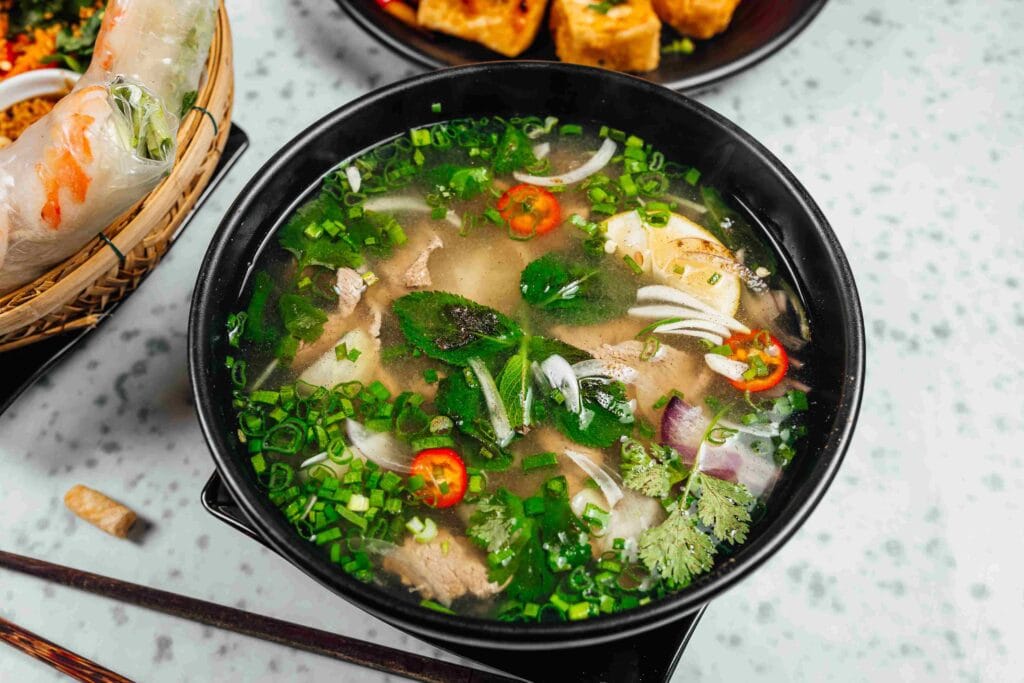
Second is Phở Spices. Who doesn’t know Phở? A rich, savory beef broth profile, combined with warm spices like star anise, cinnamon, and grilled onion, is a winning combination. This flavor profile has high potential for application in potato chips, extruded snacks, or premium instant noodle seasonings.
Third is the combination of Pandan & Coconut (La Dua & Cot Dua). This is a classic duet in traditional Vietnamese cakes. Pandan provides a calming, fragrant aroma, while coconut offers natural, savory creaminess. This combination offers a “comforting” and familiar taste for the local palate.
Last is Lotus Seed. This flavor might sound foreign to Western markets, but it is highly appreciated in Vietnam. The profile is softly sweet, nutty, and elegant. Lotus seeds are often associated with premium and traditional products, such as mooncake fillings or health teas.
Partnering with the Experts
Translating the trends above into finished products is a challenging task. A deep understanding of Asian tastes and capable technical skills are required.
This is why strategic collaboration becomes important. Falmont, as a flavor manufacturing company operating in Asia, understands the nuances of this market well. With strong research and development capabilities, Falmont can assist manufacturers in creating flavor profiles that are not only delicious but also relevant to Vietnamese market trends.
Whether seeking solutions for sugar reduction, creating natural freshness aromas, or crafting authentic Phở seasonings, the right partnership will accelerate the innovation process. Choosing the right flavor company in Indonesia or within the Asian scope, such as Falmont, is the initial step in creating products that will be loved by consumers.