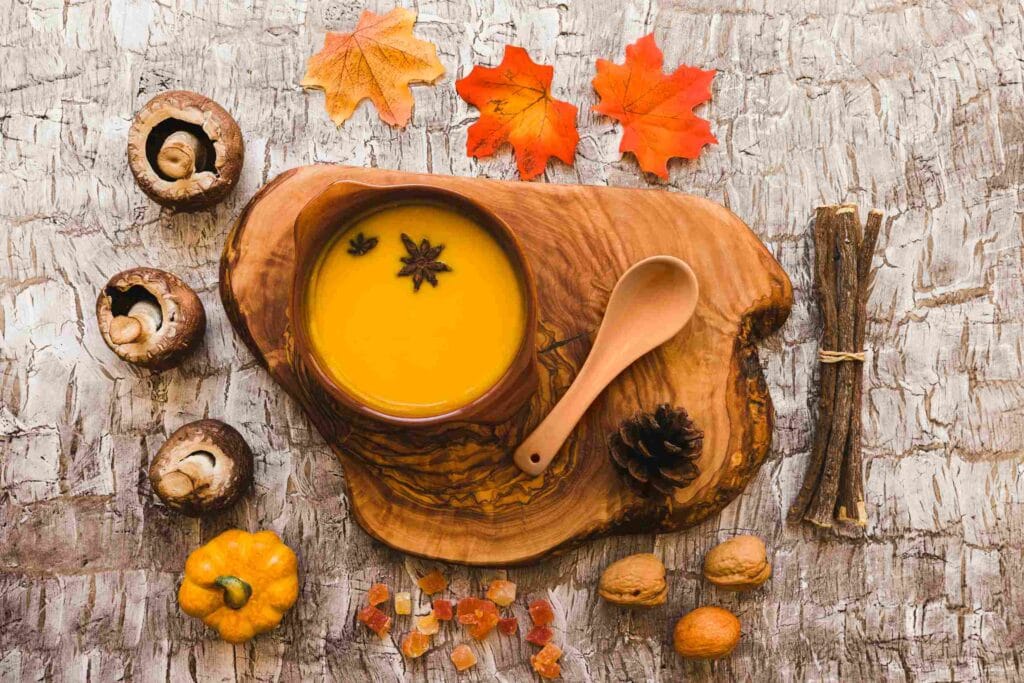
The culinary world never stops turning. Flavor trends come and go. However, one flavor profile refuses to be just a passing fad. Pumpkin spice is the perfect example. This flavor combination offers warmth and nostalgia that is hard to resist.
Initially, this taste was synonymous with autumn in the West. Now, the situation has changed. Consumers in Asia, including those in Indonesia, are beginning to appreciate this complex flavor profile. Pumpkin spice now holds strong appeal for regular year-round menus, not just limited to seasonal editions.
For F&B industry players, this is a major opportunity. Yet, delivering an authentic pumpkin spice taste is not a simple matter. The primary challenge lies in striking a balance.
The Problem with Standard Flavors
Many manufacturers often take shortcuts by using “off-the-shelf” flavors or finished products available on the market. Unfortunately, this instant solution often brings quality issues.
Standard flavors often have a spice character that is too sharp. The aroma of clove or nutmeg sometimes dominates excessively. As a result, the final product feels stinging on the tongue. Instead of providing a comforting sensation, the taste becomes distracting.
Furthermore, stability issues often arise. Standard flavors may not withstand high baking temperatures. When applied to bakery products, the flavor character can disappear or change drastically after the product comes out of the oven.
Therefore, flavor companies in Indonesia are now required to be more innovative. The need for precise formulation has become very urgent for the F&B industry.
The Art of Balancing Spices
The key to a successful pumpkin spice is harmony. The main components usually consist of cinnamon, clove, nutmeg, and ginger. For local Indonesian palates, this composition is quite tricky. Indonesian society is very familiar with spices. However, if this spice ratio is not right, the product can be misinterpreted.
A taste that is too strong will remind consumers of jamu or traditional medicine. This is certainly not the impression intended for lattes, cakes, or ice cream products.
Cinnamon must provide sweet warmth, not a burning spicy sensation. Clove and nutmeg serve as a background that enriches the aroma, not as the main actors that overshadow everything. Adjusting this ratio is crucial so the taste can be well accepted by the local market.
Variations of Pumpkin Nuances
Besides spices, the “pumpkin” element itself has a broad spectrum of uses. Not all products suit one single type of pumpkin profile. Customization provides R&D teams with the freedom to choose the right nuance.
First, there is the Fresh Pumpkin nuance. This profile highlights a fresh, slightly vegetal, and natural taste. It is suitable for health products or light beverages.
Second, the Roasted Pumpkin nuance. This character is deeper, savory, and has a touch of caramelization. It fits perfectly for cream soup applications or savory snacks.
Third, the Pie Style nuance. This is the most popular profile for sweet foods. It tastes creamy and buttery, with a soft hint of vanilla. This profile provides a luxurious impression of indulgence.
The ability to dissect and select these nuances can only be obtained through collaboration with a competent flavor house. Experienced flavor manufacturers in Indonesia are certainly aware of the detailed nuances like this.
Consistency Across Applications
The next technical challenge is application across product matrices. Dairy beverages have different properties from biscuit dough. Water-based drinks differ from high-fat chocolate fillings.
A special formulation is required to guarantee consistency. In bakery products, the flavor must be heat-stable so it does not evaporate during baking. In dairy products, the flavor must not break the milk emulsion structure.
Custom-designed flavors ensure taste performance remains stable from initial production until the product reaches the consumer’s hand. There is no significant degradation in taste quality during shelf life.
Building Brand Identity
The food and beverage (F&B) market is currently highly saturated. Competitors are popping up everywhere. Using generic flavors is equivalent to offering products that are easy to copy.
Creating a signature flavor is a smart way to differentiate. Client products must have distinct characteristics not possessed by competitors. A unique taste will be recorded in consumer memory. This is what builds long-term customer loyalty.
Flavor exclusivity becomes a valuable asset for a brand. A coffee shop can be known for its creamy pumpkin spice syrup that does not sting. A biscuit factory can be famous for its elegant cinnamon aroma. All of that starts from a unique flavor design.
Partnering with Flavor Experts
To realize all those flavor visions, collaboration with the right partner is the first step. Falmont is a solution for the F&B industry that requires more than just a flavor seller.
As a flavor manufacturing company in Asia, Falmont has a deep understanding of regional market flavor preferences. Falmont does not just provide products, but also formulation solutions. The flavor expert team is ready to help translate abstract concepts into real and delicious flavor profiles.
Do not let products drown in market flavor uniformity. Flavor innovation is the key to winning the competition. Contact Falmont for further discussion regarding the development of a signature flavor that aligns with product vision.