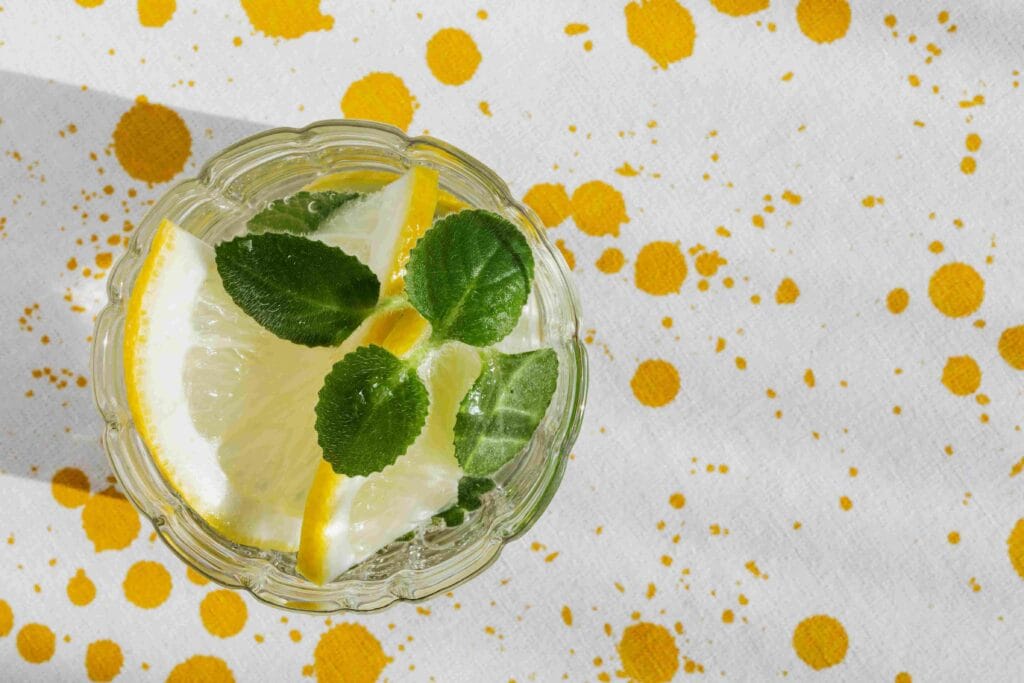
The food and beverage (F&B) industry is entering a new era. Consumers are no longer just looking for something that tastes good on the tongue. There is a major shift toward flavor exploration that can touch emotional and health aspects. One trend currently on the rise is the use of botanical flavor profiles. Plants, flowers, and spices have become the stars of the latest product innovations.
Connecting Flavor with Mood
Data shows that approximately 52% of global consumers agree that mood significantly influences their flavor choices. This phenomenon creates a massive opportunity for F&B producers to connect with consumers on an emotional level. Botanical flavor innovation is no longer just about aroma, but also about the emotional signals sent to the brain.
For example, jasmine is often associated with calmness and relaxation. When someone enjoys a drink with a touch of jasmine, there is a psychological expectation to feel more relaxed. Similarly, citrus scents provide energy, and lavender is soothing. Understanding this flavor psychology is key for every flavor company player to win over consumers’ hearts.
Mix and Match Strategy: Familiar yet Unique
Flavor experimentation is important, but introducing a completely new taste comes with its own challenges. Consumers tend to feel hesitant if they have to try something totally foreign. The most effective strategy is to combine well-known (familiar) flavors with a unique botanical touch.
This concept creates a bridge of trust for consumers. Imagine a beverage product with a sweet cherry flavor, but given a touch of exotic rosehip. Or perhaps chocolate with a blend of habanero and sea buckthorn, providing a spicy yet fresh, acidic sensation. This combination provides an element of surprise without making consumers feel alienated from the product.
The Rise of Traditional and Regional Recipes
Interest in heritage is proving to be very strong. As many as 65% of consumers are interested in traditional recipes. This serves as an entry point for regional botanical ingredients to take the global stage. Innovation does not always have to come from sophisticated laboratories; sometimes it stems from local wisdom that has existed for centuries.
A clear example is the use of kapha churna, a typical Ayurvedic spice blend, which is now being adapted into modern products. In Indonesia, the potential of local spices such as turmeric, ginger, and aromatic ginger (kencur) is similar. With a touch of technology from a flavor company, these traditional ingredients can be packaged into premium, international-class flavor profiles.
Floral Aesthetics and Dual Functions
In the past, floral profiles were synonymous with tea products. However, current trends show that flowers have expanded into various other product categories. Flowers are no longer just garnishes but primary components that offer visual appeal as well as distinctive flavor.
Floral extracts are now frequently found in bakery products, ice cream, and carbonated drinks. In addition to their captivating aroma, the natural colors of flower petals are often used as natural dyes. This aligns with consumers’ desire to avoid synthetic chemicals and turn to ingredients closer to nature.
Botanicals Across Various Product Categories
The application of botanical flavors is highly flexible depending on the product category. In the beverage industry, botanical touches are often used to create a refreshing and exclusive impression. Drinks with botanical flavor profiles are often considered premium products because they provide a complexity of flavor not found in standard fruit flavors.
Meanwhile, in the kitchen, in the seasoning or sauce category, botanical ingredients act as natural flavor enhancers, strengthening the dish’s character. The use of herbs like rosemary, thyme, and other exotic spices helps create a deeper, more authentic flavor profile. This flexibility is what makes the botanical trend predicted to last for a long time.
The Future: Holistic Well-being
Future trends are no longer just about a single health claim. Consumers are increasingly seeking products that support both physical and emotional well-being. Complex flavor profiles will become the new standard in the industry. The combination of various botanical ingredients in one product is expected to provide holistic benefits.
For instance, a blend of ingredients that support immunity, with ingredients that provide a mental focus effect. The resulting flavor profile will be more layered, providing a richer sensory experience for anyone who enjoys it.
Choosing the Right Innovation Partner
To realize complex and innovative flavor strategies, collaboration with the right partner is the main key. F&B companies need technical support to ensure the desired flavor profile remains stable and consistent in the final product.
Working with Falmont, one of the leaders in flavor manufacturing in Asia, provides a competitive advantage. With a deep understanding of the local market and access to the latest flavoring technology, the challenge of creating unique yet market-acceptable products can be overcome more easily. Finding the right partner within the flavor company in the Indonesian environment will significantly determine a product’s success on store shelves later.
Through the right approach to botanical trends, brands have a great opportunity to remain relevant and loved by today’s consumers. Flavor is no longer just a complement, but an identity and a solution for the lifestyle of global consumers.