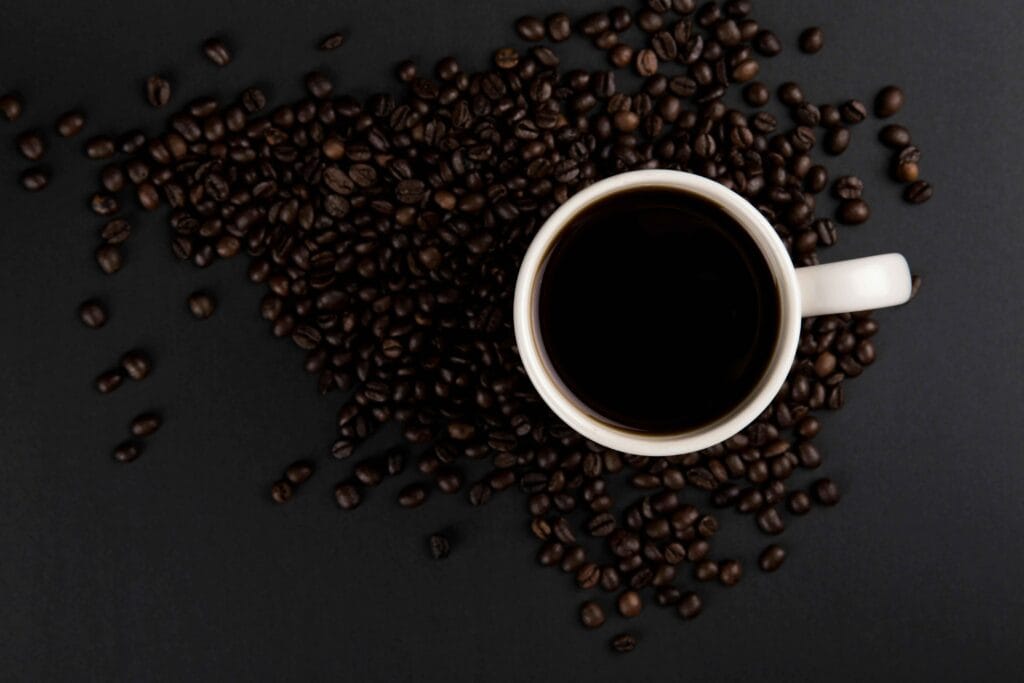
The hot drinks industry is undergoing a major shift heading into 2026. Coffee, tea, and chocolate are no longer just early morning wake-up rituals. Warm beverages have transformed into loyal companions for various activities throughout the day. This change in behavior demands that the F&B industry be more creative in presenting products that are relevant to modern lifestyles.
Fast market dynamics require support from a flavor company that understands global trends. Today’s consumers are not just looking for thirst quenchers; they seek functionality and comfort in a single cup. This creates a massive opportunity for beverage producers to explore bolder and more innovative flavor profiles.
Shifting the Meaning of a Cup of Hot Drink
In the past, hot drinks were synonymous with breakfast or afternoon relaxation. However, by 2026, those time boundaries had begun to fade. Hot drinks have now become a flexible support for mental and physical performance. There is a need for beverages that support focus while working, provide energy before exercising, or help with relaxation before sleep.
Many brands are now marketing hot drinks as practical, healthy snacks. An example is protein-enriched coffee serving as pre-workout fuel. There is also hot chocolate specifically formulated as a soothing nighttime drink. This transformation makes flavor selection crucial so that health benefits remain delicious on the palate.
Functionality: More Than Just Taste
Future consumers are highly critical of what they consume. Functional health benefits have become a top priority alongside sustainability aspects. Products offering added value, such as digestive health support or immune system boosts, will stand out on supermarket shelves.
Data shows that approximately 59% of global consumers believe gut health is the key to total well-being. This figure drives the popularity of ingredients like probiotics, turmeric, and ginger in hot drink blends. The challenge lies in harmonizing functional ingredients—which tend to be bitter—with well-balanced flavors. This is where the role of a flavoring company in Indonesia becomes vital to creating balanced formulations.
Exploring Flavor Profiles: From Umami to Breakfast Nostalgia
Flavor trends in 2026 will go beyond traditional boundaries, such as vanilla or caramel. Flavor innovation will move in two unique directions: nostalgia and sensory complexity. Flavors inspired by popular breakfast items, such as doughnuts, waffles, or maple syrup, are expected to be highly favored for their psychological comfort effect.
On the other hand, there is growing interest in deeper, more complex flavor profiles. The use of umami elements and exotic spices will provide a more luxurious sensory experience. A subtle spicy kick or a touch of savory in a chocolate drink can provide a new dimension never felt before. Innovations like these require deep research from a flavor company to ensure these flavor profiles are acceptable to both local and international palates.
Sustainability and Production Ethics
Beyond taste and function, ethical aspects of production are also a serious concern. Consumers want to know where raw materials come from and how they impact the environment. The hot drinks industry is moving toward more eco-friendly practices, from sourcing raw materials to using compostable packaging.
F&B companies that can communicate sustainability through “clean” and natural flavors will gain greater customer trust. The use of naturally derived flavorings processed responsibly is becoming the new standard in product development by 2026.
Falmont: Strategic Flavor Manufacturing Partner in Asia
Facing the challenges of 2026 trends certainly requires an experienced and visionary partner. Collaborating with Falmont, a leading flavor manufacturing company in Asia, is a strategic step for F&B industry players. Falmont has the capability to translate global trends into applicable flavor solutions that suit market needs.
As a prominent flavor company in Asia, Falmont understands the importance of combining cutting-edge technology with a deep understanding of local culture. Technical support in creating functional hot drinks that remain tasty is the primary key to winning market competition. Flavor innovation is not just about creating new aromas, but about building a strong and memorable product identity.
Conclusion
In 2026, hot drinks will become a comprehensive lifestyle solution. From digestive health functions to umami flavor exploration, the opportunity for innovation is wide open. F&B companies must be ready to adapt to increasingly complex consumer preferences.
Success in launching innovative products depends heavily on choosing the right flavor partner. With support from a capable flavor company, the vision of creating healthy, delicious, and sustainable beverages of the future can soon be realized.