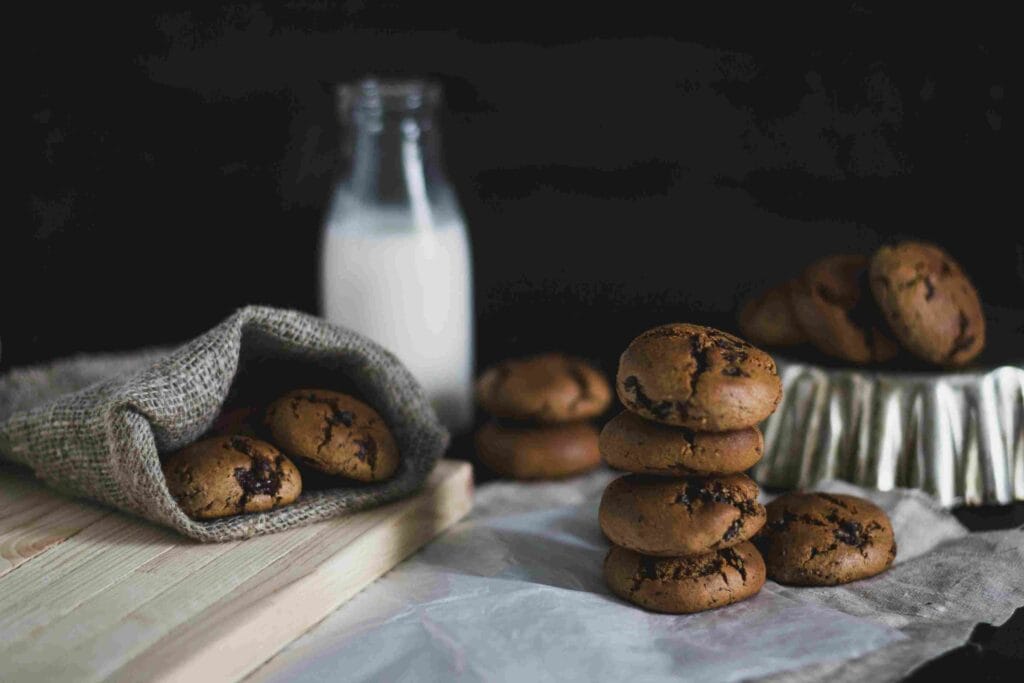
The sweet baked goods industry continues to undergo a major transformation every year. The culinary world is no longer just about standard sweetness. Today, consumers seek a deeper sensory experience from every bite of bread, cake, or biscuit. For F&B industry players, understanding this shift in taste is the key to staying relevant in a highly competitive market.
Flavor Adventures for the Younger Generation
Generation Z and Millennials are now the primary drivers of global market trends. This consumer group has a very strong curiosity about new things. They are no longer satisfied with basic chocolate or vanilla flavors. There is a strong desire to embark on a “flavor adventure” through exotic and global profiles.
For instance, the use of rare tropical fruit flavors or specific spices from various parts of the world is becoming increasingly common. This trend demands that food producers be more creative in crafting flavor profiles. Utilizing the services of a flavoring company in Indonesia with access to cutting-edge extraction technology will greatly help create the authentic flavor profiles that young people love.
Experiments in Sweet, Savory, and Spicy
One of the most interesting phenomena today is the concept of flavor mash-ups. Consumers are gravitating towards contrasting yet complementary flavor pairings. Combinations of sweet and savory, such as salted caramel, are now considered a new standard.
However, innovation does not stop there. A sweet-and-spicy trend is emerging. Imagine a chocolate brownie with a touch of chili flavor or a ginger cake with a sharp orange glaze. Experiments like these provide a palate surprise that keeps consumers coming back for more. To achieve this precise flavor balance, collaborating with a flavor company in Indonesia is a strategic step to ensure product formulations remain stable and delicious.
The Era of Unique Hybrid Products
Hybrid product innovations are also enriching bakery shelves worldwide. Products like the “cronut” (a croissant-donut hybrid) or the recent “crookie” (a croissant filled with cookie dough) prove that textures and flavors can be combined in infinite ways.
These hybrid products require flavorings that can simultaneously highlight the characteristics of both food types. The flavor profile must be strong enough to penetrate different layers of texture, whether it is the crispness of the pastry or the softness of the biscuit dough inside.
Emotional Connections Through Taste
Currently, food is not just a hunger quencher, but also a means to improve one’s mood. Flavors are now being marketed with emotional benefits. Many consumers choose baked goods that offer relaxation, comfort-food vibes, or stress relief to enhance their happiness.
Soothing flavors like lavender, honey, or soft milky profiles are often associated with tranquility. Conversely, fresh citrus flavors are used to boost energy. By understanding the link between aroma, taste, and psychology, F&B producers can create products that truly resonate with consumer feelings.
Nostalgia with a Modern Touch
There is an interesting trend where consumers are looking back at traditional flavors or “culinary heritage.” However, they do not want boring tastes. They seek familiar childhood flavors that are comforting but presented with modern techniques or components.
For example, pastry chefs and manufacturers now apply traditional cake flavors like pandan, palm sugar (gula malaka), or spekkoek to modern products like macarons or mousse cakes. This creates a bridge between longing for the past and a modern lifestyle. Finding a partner from a flavor company in Indonesia that understands local flavor characteristics while maintaining international quality standards is key to executing this trend perfectly.
Limited Edition Product Strategies
The launch of limited edition products remains a highly effective strategy. The use of seasonal flavors creates a sense of urgency and exclusivity in consumers’ eyes. Examples include pumpkin spice in autumn and fresh fruit flavors like lychee and mango in summer.
This strategy allows brands to continue experimenting without permanently changing their main product lines. If a seasonal flavor proves highly successful, then the manufacturer can consider making it a permanent fixture.
Partnering with Flavor Experts in Asia
To realize all the innovations mentioned above, deep technical expertise in flavor development is required. Working with Falmont, a flavor manufacturing company in Asia, provides a significant competitive advantage for F&B industry players.
Falmont understands the unique nuances of Asian market tastes while having the capacity to produce high-quality flavorings that meet global food safety standards. With strong research and development support, you can turn every flavor innovation idea into a real product ready to win over consumers in the sweet baked goods market.
Choosing the right partner as a flavor company in Indonesia is not just about buying raw materials. It is about building synergy to create a culinary future that is more colorful, more delicious, and certainly more profitable for the business.