The culinary world never sleeps. Market tastes keep moving dynamically. In the past, vanilla, chocolate, or strawberry flavors were enough to satisfy the palate. However, times have changed. Now, those standard flavor profiles are often considered boring. There is a massive shift in both global and local markets. Consumers are hunting for something different. They desire flavor profiles that are bolder, unique, and challenging.
So, what is the answer to this increasingly demanding market desire? The answer lies in the richness of tropical nature: Exotic Fruits.
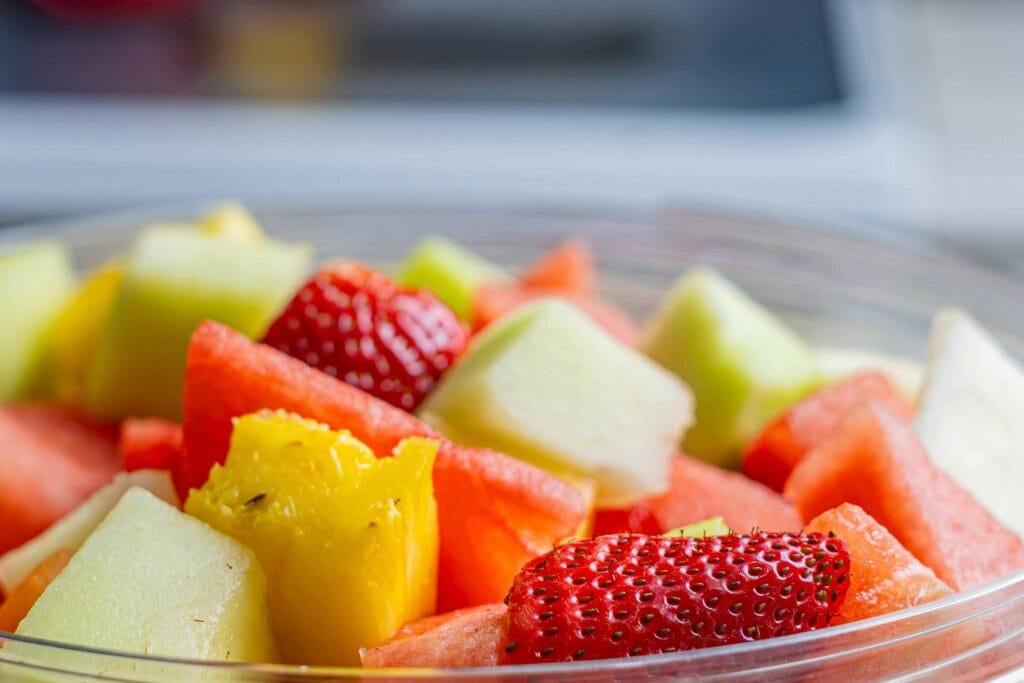
Fruits like mango, passion fruit, guava, and even dragon fruit have now become the stars. They are not just popular in the beverage segment, but are also reaching into bakery, confectionery, and dairy products. But what actually triggers this mass obsession? Why do consumer palates suddenly crave tropical sensations?
Novelty & Indulgence: Flavor is a New Adventure
Psychological factors play a huge role. For modern consumers, eating and drinking are not merely about satisfying hunger or thirst; they are also about experiencing pleasure. This activity has transformed into an experience. There is an element of novelty sought after.
Exotic fruit flavors offer an escape. Tasting a drink with yuzu flavor or soursop ice cream provides a sense of adventure. It is as if the palate is taken on a vacation to a warm tropical place. This feeling creates indulgence. Consumers are willing to pay more for a flavor experience that is not part of their daily routine. New flavors bring joy. This is why products with “Tropical Edition” or “Exotic Flavor” labels often sell out quickly.
Health Perception (Health Halo)
Besides the sense of adventure, there is a strong perception factor at play. Tropical fruits naturally possess a positive image. Guava, pineapple, or passion fruit are similar in terms of Vitamin C content, antioxidants, and natural freshness.
When a food or beverage product utilizes this flavor profile, it automatically gains a “Health Halo.” This is a halo effect, where the product is perceived as healthier and better for the body, simply because of the association with fruit flavor. Even if the product is candy or carbonated soda, the exotic fruit flavor profile gives an impression of wellness. In the post-pandemic era, where health awareness has increased, this image is a very valuable asset for an F&B brand.
Global and Multicultural Influence
The world is now borderless. Social media allows culinary trends from one country to spread to others in a matter of hours. Boba drinks from Taiwan, mango desserts from Thailand, or spicy-sweet snacks from Mexico are now enjoyed globally.
This multicultural influence brings tropical fruits to the main stage. Consumers have become more open and curious about flavors previously considered foreign. Global culinary diversity encourages the industry to keep innovating. Products that combine local tastes with a global exotic touch will be more easily accepted by the digital-savvy young generation. They want flavors that reflect the global diversity seen on their phone screens.
Challenges for the F&B Industry: Consistency vs. Exoticism
However, behind the high demand, the F&B industry faces a thick wall. Using real exotic fruits on a mass production scale is not an easy matter. The main challenge is consistency.
Fruit is an agricultural product heavily dependent on nature. The taste of mangoes in the rainy season can differ from that in the dry season. Supply availability also fluctuates. Not to mention raw material price issues that can spike sharply during harvest failures. For food and beverage factories, this uncertainty is a nightmare. How is it possible to maintain the same product taste standard throughout the year if raw materials are constantly changing? This is where the dilemma between meeting the demand for exoticism and maintaining operational efficiency often occurs.
Custom Flavors Become the Solution
Food technology arrives as a savior. The use of custom flavors becomes the most logical and efficient solution. Flavors enable producers to obtain authentic, exotic fruit flavor profiles without the hassle of harvest seasons.
With precisely formulated artificial flavors, the taste of fresh tart passion fruit or sweet aromatic mango can be duplicated perfectly. Flavor consistency is guaranteed from the first batch to the millionth. There is no risk of rotten fruit or taste changes due to the weather.
This is where the strategic role of flavor companies in Indonesia lies. As a tropical country, Indonesia boasts a rich array of flavors. However, translating them into industrial formulations requires special expertise. F&B industry players need to partner with flavor manufacturing companies in Indonesia that not only sell finished goods but also create solutions.
Finding the right partner is crucial. Competent flavor companies in Indonesia will be able to dissect real fruit flavor molecules and reassemble them into stable flavors for various applications, from baking at high temperatures to freezing for ice cream. Likewise, flavor manufacturing companies in Indonesia must understand both local market trends and international food safety standards.
Partnering with Falmont
In the competitive map of the flavor industry, Falmont exists as a strategic partner for F&B companies. As a flavor manufacturing company based in Asia, Falmont possesses a deep understanding of Asian and tropical flavor palettes.
Falmont does not merely supply flavors. Falmont creates flavor characters. With high-level customization capabilities, every client can obtain a unique flavor profile not owned by competitors. Whether it is a creamier pineapple taste or a more floral lychee taste, everything can be created.
Collaborating with Falmont means unlocking limitless innovation. This is a smart move to capitalize on the exotic fruit trend opportunity, overcome logistical obstacles related to raw materials, and ultimately win the hearts of consumers who are always eager for new flavor experiences.