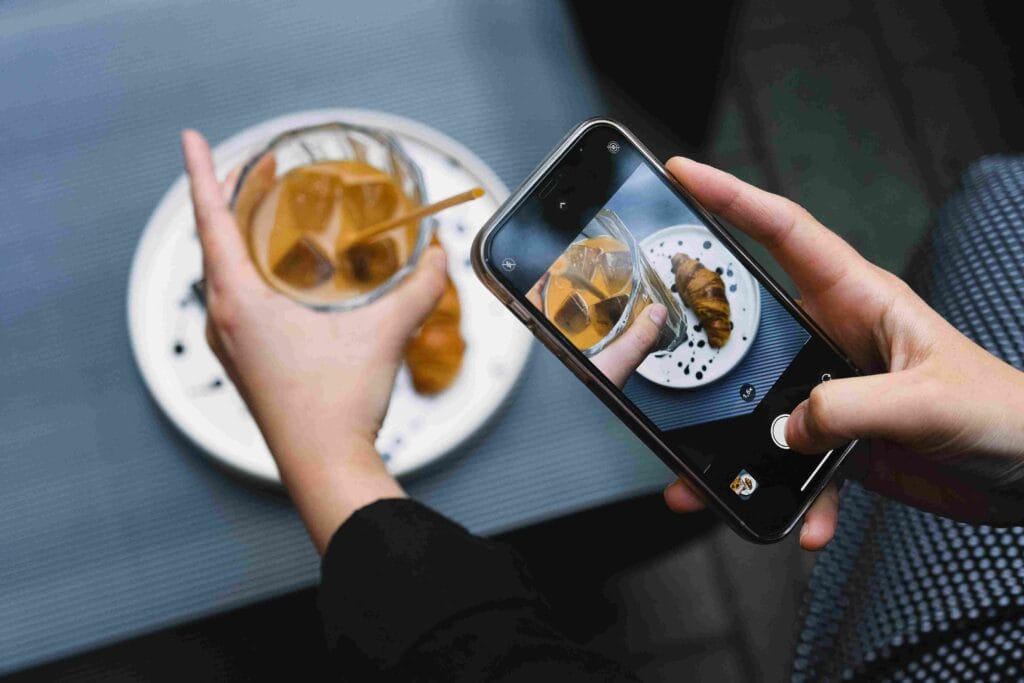
The culinary world is undergoing a major shift. In the past, purchasing decisions often relied on the smell wafting from a bakery or free samples offered in a supermarket. However, times have changed. Today, “taste” is no longer just experienced by the tongue but begins with the eyes and phone screens. This phenomenon is particularly apparent among Gen Z. For them, culinary experiences often begin with a scroll on social media before the actual first bite occurs.
This behavioral change demands that the Food and Beverage (F&B) industry adapt. It is not enough to simply make delicious products. The product must look delicious on camera. This presents both a challenge and an opportunity for a flavor company in Indonesia to create innovations that are relevant to the digital era.
The Role of Social Media in Flavor Discovery
Social media platforms like TikTok and Instagram have undergone significant transformations. These platforms are not merely entertainment hubs but have become giant digital “store shelves.” Young consumers find inspiration for their lunch menus and afternoon snacks through content that passes through their feeds. Social media algorithms serve endless recommendations, triggering impulsive desires to try something new.
One of the biggest drivers is flavor review content and mukbang videos. When a favorite content creator authentically expresses enjoyment while tasting a new drink, audience curiosity is instantly sparked. Trust is built there. Honest reaction videos are often considered more convincing than stiff conventional television commercials.
Furthermore, social validation plays an important role. Gen Z tends to have a fear of missing out on trends (FOMO). If a boba flavor variant or a specific chip brand goes viral and is widely discussed, a social drive to purchase it emerges. Buying viral products is not just about taste, but also about becoming part of the global conversation.
Overcoming Sensory Challenges: Taste Behind the Screen
The biggest challenge in digital marketing for F&B products is sensory limitation. Audiences cannot smell aromas or taste flavors through a glass screen. Therefore, the strategy of flavor visualization or “appetite appeal” becomes the spearhead.
Manufacturers must be able to translate flavor into visual language. Thick sauce textures, steam rising from hot food, or condensation droplets on cold drinks are crucial visual elements. These elements send signals to the audience’s brain about how the food is likely to feel and taste.
Besides visuals, imaginative descriptions are also very helpful. Using evocative text or narratives can bridge the sensory gap. Words like “melting,” “kicking,” “crunchy,” or “creamy” help consumers imagine the texture and taste in their mouths. A combination of tempting visuals and strong narratives triggers effective flavor imagination.
Flavor Marketing Strategies for Gen Z
To win over this dynamic market, the content strategy must be precise and targeted. Short videos lasting 15 to 60 seconds are the most preferred format. Content such as quick recipes or aesthetic serving methods is highly popular. For example, showing how simple flavor powder transforms plain milk into a trendy cafe-style drink in seconds.
Collaboration is also key. Partnering with home cafe communities or food enthusiasts on social media can have a significant impact. These micro-influencers typically have a dedicated and loyal following. Recommendations from them are often viewed as advice from close friends.
Brands also need to be smart in creating viral moments. This can be achieved by launching challenges that involve the product or releasing unique flavor variants that spark debate. The more people discuss or recreate content related to the product, the wider its market reach becomes.
Relevance of Current Flavor Trends
So, what flavor profiles does Gen Z seek? Current trends show two interesting poles. First is nostalgia and comfort food. In a fast-paced and high-pressure world, familiar tastes bring a sense of calmness. Flavor variants like classic chocolate, vanilla, or traditional snacks packaged in a modern way always have loyal enthusiasts.
On the other hand, there is a strong desire for innovative flavors. Gen Z is a generation that loves to experiment. Sweet and spicy combinations, or savory mixes with fruits, often catch their attention. Products bold enough to offer new sensations usually rise faster on social media due to their high uniqueness value for content creation.
Partnering with Flavor Manufacturing Experts
Translating digital trends into quality physical products requires a reliable partner. This is where Falmont‘s role as a flavor manufacturing company in Asia becomes very vital. Understanding the diverse and rapidly changing Asian market is Falmont‘s primary expertise.
As a flavor company in Indonesia that prioritizes quality and innovation, collaboration with the right manufacturer ensures products are not just briefly viral but also loved for their consistent taste. Falmont provides the technology and expertise to create complex flavor profiles, ranging from nostalgic notes to futuristic innovations sought by the Gen Z market.
With strong supply chain support and a deep understanding of global and local trends, food and beverage (F&B) producers can launch new products with confidence. The key to success in this digital era is the speed of adaptation and the accuracy of flavor. With the right partner, the digital flavor revolution is not a threat, but a golden opportunity for growth and expansion.