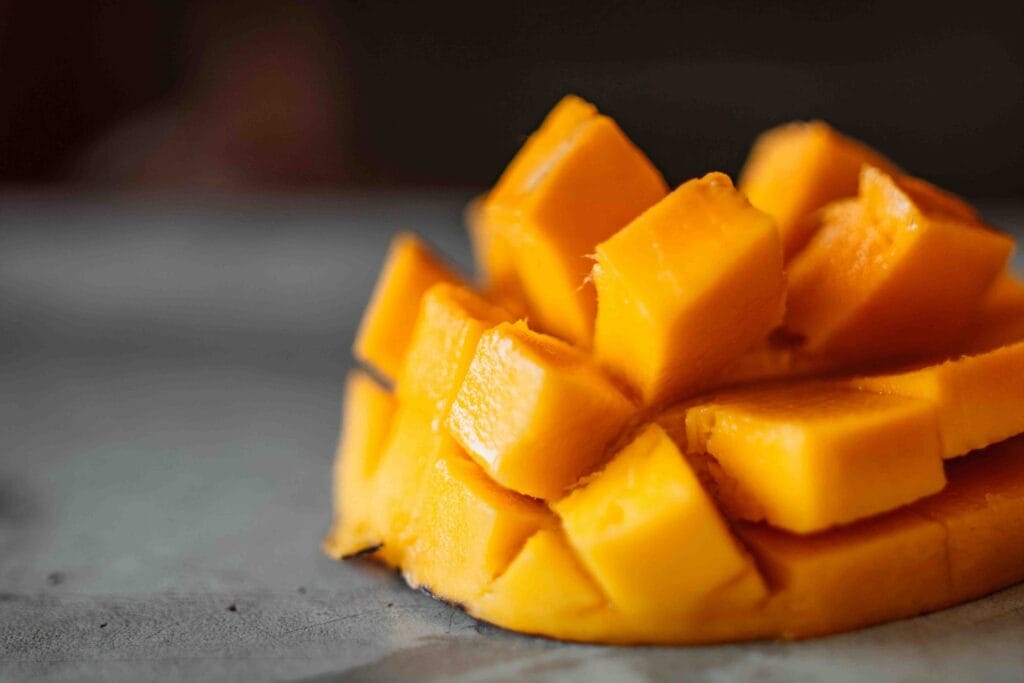
Mango is not just a fruit in Indonesia. It is a prima donna. Among the many varieties growing in this tropical country, Harum Manis holds the highest throne. Local consumers recognize the taste instantly. They know the difference between the sharp Gedong Gincu and the sweet, rich Harum Manis. Therefore, for food and beverage (F&B) producers, capturing this essence is the key to success. Products claiming “mango flavor” often fail in the market if the taste is too generic or artificial.
However, replicating this “King of Mango” into packaged products is not an easy task. The complexity of its aroma profile often becomes a major challenge for R&D teams in various factories. This is where the vital role of a flavor company in Indonesia lies to bridge market desires with technical production realities.
Dissecting the Unique Harum Manis Aroma Profile
Why is Harum Manis so loved? The answer lies in its intricate sensory profile. It is not just sugar sweetness. There are layers of aroma that make it special.
First, the sweet dominance is very distinct. Harum Manis has a full-bodied, sweet character. The sweetness is thick and round. The acidity level is very low. This differs from other mango types, which may leave a tartness on the tongue.
Second, there is a creamy texture. When eating the perfectly ripe fresh fruit, there are buttery and lactonic (milky) nuances. This sensation gives a pulpy or thick-fleshed impression in the mouth. This is what makes Harum Manis very suitable for dairy-based products.
Third, the floral top note. If smelled closely, a soft flower aroma wafts out. This aroma ends with a honey-like finish. This element provides an elegant and refreshing impression.
Lastly, and most often forgotten, is the sulfurous hint. This might sound technical. However, this thin touch of natural sulfur is crucial. Its presence gives the authentic impression of ripe fruit. Without this element, mango products will taste like cheap synthetic candy. Understanding microscopic details like this is the main expertise possessed by a credible flavor manufacturer in Indonesia.
Challenges of Using Real Fruit at an Industrial Scale
Many producers assume that using real fruit puree is the best solution. Theoretically, yes. However, in large-scale manufacturing practice, real fruit brings a series of complex problems.
The main problem is high volatility. The distinct Harum Manis aroma is very fragile. The aromatic compounds that form the floral and fresh scent are easily lost when exposed to heat. Pasteurization processes, such as UHT in drinks or baking in bread, will “kill” the original mango character. The final result is often just a flat sweetness without aroma.
Furthermore, there is the inconsistency factor. Fruit is a natural product. The taste varies depending on the season, rainfall, and soil conditions. One production batch might taste sweet, the next could taste bland or sour. This inconsistency is an enemy to standardized manufactured products.
Oxidation risk is also a menace. Real mango flesh is very prone to color changes or browning. If not processed immediately, the taste will change into something like fermentation. This certainly ruins the quality of the final product reaching the consumer’s hands.
Solutions Through Custom Flavor
To overcome these natural raw material limitations, flavor technology becomes the solution bridge. The use of customized flavors allows producers to get an authentic Harum Manis profile that is also durable.
The first solution is temperature stability. Aroma molecule formulations are specifically designed to withstand extreme heat. An experienced flavor company in Indonesia is capable of creating formulas that do not evaporate when exposed to ovens or pasteurization machines. The mango aroma remains “popping” and fragrant when the product is consumed.
The second solution is guaranteed consistency. Regardless of the rainy or dry season, the flavor profile will remain the same. Batch-to-batch production will have uniform taste standards. This provides peace of mind for the Quality Control team.
Another advantage is Base-Specific Tuning. This is the art of adjusting flavor to the product medium. The mango profile for yogurt is certainly different from mango for tea. For yogurt, creamy nuances will be highlighted to blend with milk. Meanwhile, for tea, floral nuances will be lifted to create a light sensation. This adjustment ensures the mango taste feels “alive” in any medium.
Cost efficiency is also an important business consideration. With low usage dosages, flavors can provide maximum taste impact. This is far more economical compared to the high logistics and storage costs of fresh fruit, which carries a high risk of spoilage due to rot.
Partnering with a Trusted Flavor Manufacturer
Creating a winning product requires the right partner. Deep understanding of local tastes and world-class technical capabilities must go hand in hand. Falmont, as a flavor manufacturing company in Asia, is present to answer this need. With a combination of in-depth research and the latest technology, Falmont helps the F&B industry present the authenticity of Harum Manis flavor in various product formats. The right collaboration will birth products that are not only delicious but also iconic in the market.