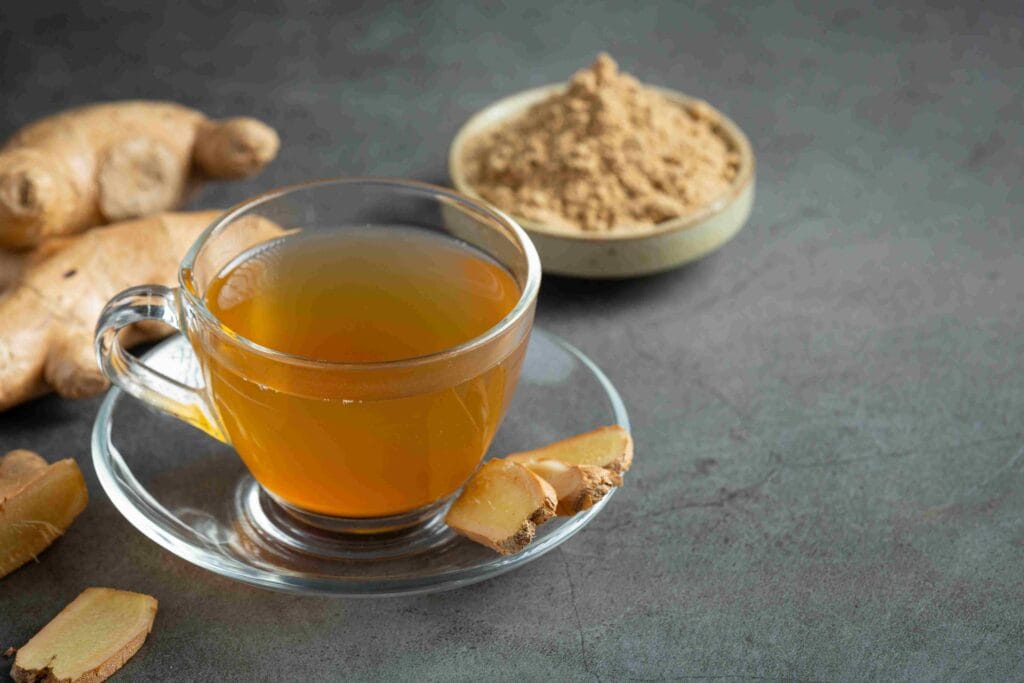
Traditional beverages never lose their charm. Despite the surge of modern drink trends, Wedang Jahe holds a special place in the hearts of Indonesian consumers. There is a nuance of nostalgia, comfort, and a strong perception of health in every sip. However, for the large-scale F&B industry, delivering an authentic Wedang Jahe taste is far more complicated than simply boiling ginger rhizomes in a large pot.
The main challenge often faced by food and beverage manufacturers is balancing taste. Consumers desire warmth, not a heat that burns the tongue. This is where the crucial role of a flavor company in Indonesia comes in, bridging consumer expectations with the realities of mass production.
The Dilemma of Natural Raw Materials
Using raw ginger in industrial-scale production often becomes a nightmare for Quality Control teams. Ginger is an agricultural product heavily influenced by nature. The taste of ginger harvested during the rainy season can be vastly different from ginger harvested during the dry season. One batch of raw material might have a strong aroma but weak pungency, while the next shipment might be the complete opposite.
This uncertainty carries significant risks. The final product can become inconsistent. Inconsistency is the primary enemy in the Fast-Moving Consumer Goods (FMCG) industry. Consumers buying bottled ginger drinks expect the exact same taste every time they make a purchase. If it tastes right today, but next week it tastes too spicy and stings the throat, consumer trust will vanish. Therefore, many manufacturers turn to solutions from a flavor manufacturing company in Indonesia that can provide standardization.
The Science of Separating Aroma and Heat
Chemically, the spicy taste in ginger comes from a compound called gingerol. When ginger is processed or heated, gingerol can transform into shogaol, which has a much sharper and more stinging spicy character. This is why products using crude ginger extracts often feel “piercing” or possess a “biting heat.”
Modern flavor technology offers an elegant solution to this problem. Through advanced extraction and formulation processes, the aromatic components of ginger (fresh, earthy, and slightly citrusy scents) can be separated from its spicy components.
This allows for the creation of a precise flavor profile. Manufacturers no longer have to “settle” for the character of raw materials. Instead, the flavor profile can be redesigned. Ginger aroma can be maximized without necessarily being followed by torturous heat.
The Art of Creating “Warmth” vs. “Heat”
There is a fundamental difference between Warmth and Heat.
Heat is a burning sensation felt on the tip of the tongue and the roof of the mouth, similar to the sensation experienced when eating chili peppers. This sensation is often shocking and uncomfortable when it becomes excessive.
Conversely, Warmth is a sensation that spreads slowly from the throat down to the chest. This is the “Wedang” sensation that consumers actually seek. This sensation produces a soothing effect, making the body feel relaxed.
The focus of modern Wedang Jahe flavor development is to capture that Warm sensation. The goal is to create a product that can be enjoyed leisurely, not one that leaves consumers gasping for air due to its spiciness.
Customization According to Market Tastes
Every brand has a unique target market. A ginger milk product for young people might require a sweeter and creamier flavor profile with subtle ginger notes. Meanwhile, ginger candy for adults might need a more robust spice kick.
Flexibility is key. By using artificial flavors, the level of ginger intensity can be adjusted at will. Furthermore, supporting notes can also be added directly into the formulation. Is a touch of brown sugar (gula jawa), a hint of pandan aroma, or a nuance of lemongrass desired? Everything can be integrated.
This provides ease for R&D teams in factories. There is no need to manually mix various spice extracts, which are prone to measurement errors. A competent flavor company in Indonesia will provide an all-in-one solution that is already perfectly calibrated.
Consistency Without Compromise
One of the biggest advantages of switching to professional flavors is the guarantee of consistency. Regardless of whether it is the rainy season or the dry season, the resulting flavor profile will remain the same.
This stability is vital for long-term production planning. Manufacturers no longer need to discard raw materials because the taste is “off” or make recipe adjustments every time new raw materials arrive. Production efficiency will increase, and the risk of waste can be minimized. Quality fluctuations due to natural factors are no longer variables that need to be a concern.
Wide and Stable Product Applications
A well-formulated Wedang Jahe flavor possesses high stability across various product matrices.
In dairy applications, using real ginger often causes milk to curdle or clump due to the natural acidity of ginger. With the right flavor, the taste of ginger can be infused into UHT milk, yogurt, or ice cream without damaging the milk protein structure.
The same applies to bakery applications such as biscuits or soft cakes. The ginger flavor remains intact even after undergoing high-temperature baking processes. There will be no bitter aftertaste often left behind by conventional ginger powder usage. For the RTD (Ready-to-Drink) category, this flavor offers clarity and a clean taste, without sediment that can disrupt product appearance.
Partnering with Flavor Experts
Creating products with a traditional nuance but processed with modern technology requires the right partner. A deep understanding of local Asian tastes becomes a crucial factor in determining a product’s success in the market.
Falmont, as a flavor manufacturing company in Asia, understands this complexity. With a dedication to research and innovation, Falmont helps F&B manufacturers translate the concept of “traditional warmth” into a modern, stable, and consistent flavor format. Collaboration with flavor experts enables the creation of Wedang Jahe products that are not only delicious but also evoke the feeling of comfort sought by every consumer.
The market continues to evolve, and quality standards are getting higher. Ensuring a product has the right flavor profile is the first step to winning on supermarket shelves and in the hearts of customers.