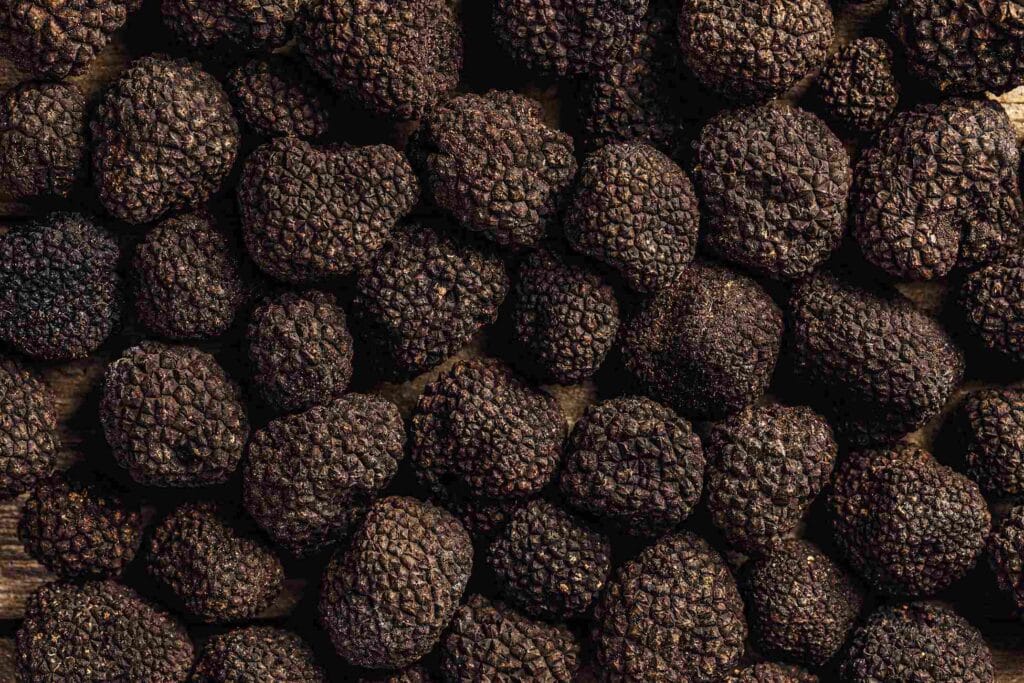
The culinary world is always moving dynamically. Trends come and go quickly. However, one flavor profile seems to have extraordinary staying power in the market: Truffle. A few years ago, this expensive fungus might have been found only in fine-dining restaurants. Now, the situation is different. This distinctive aroma has reached various market segments.
This phenomenon shows that the truffle trend has not subsided. In fact, interest is widening. In consumers’ minds, the word “Truffle” holds magical power. It is immediately associated with luxury, exclusivity, and premium quality. Any product that attaches this label seems to instantly upgrade its class.
The Selling Point of Luxury Aroma
The main attraction of this flavor profile is not just the sensation on the tongue. It is about perceived value. Market studies show interesting consumer behavior. Consumers are willing to pay more for products with a truffle aroma.
This applies across categories. A standard potato chip might have a standard price. However, when labeled “Black Truffle Flavor,” manufacturers can charge a much higher price. The same applies to menus like rice bowls, burgers, and dipping sauces. The right aroma can transform a commodity product into a “gourmet” offering sought after by many. Profit margins automatically increase.
One Flavor Does Not Fit All
Many F&B industry players fall into a common trap. They assume all truffle flavors are the same. In reality, using one single flavor profile for all products is an ineffective strategy. The aroma character of chips must certainly differ from that of pasta sauce.
This is where the vital role of customization lies. Creating a signature taste is the key to winning the competition. Successful products must have a flavor identity that competitors cannot mimic. Flavor customization enables F&B manufacturers to craft a profile tailored to their target market.
Exploring Truffle Profile Variations
In the world of flavor development, truffle has a wide spectrum of applications. Choosing the right profile will determine the success of the final product. Here are several profile variations that can be adjusted:
1. Earthy & Musky Profile
This profile highlights soil characteristics and wet-forest aromas. The nuance is very elegant and deep. This type is well-suited to heavy dishes or main courses. The best applications are usually found in pasta, risotto, or steak sauce. The earthy character blends perfectly with both starch- and meat-based ingredients.
2. Garlicky & Pungent Profile
Not all consumers prefer an overly strong earthy aroma. Some markets prefer a sharp, savory garlic note. This garlicky profile provides a strong “kick” to the palate. It is the right choice for savory snack applications, fries seasoning, or nuts. Its explosive aroma is perfect for stimulating the appetite in snack formats.
3. Buttery Note Profile
There is also a softer variant. This profile blends truffle aroma with a creamy, buttery sensation. The result is a smooth aroma that is not too piercing. The buttery profile is ideal for fat or oil-based products. Application examples include truffle oil, mayonnaise, or salad dressing. This taste gives a luxurious impression without making consumers feel overwhelmed.
Full Control Over Intensity
Besides choosing the profile type, another crucial aspect is intensity. Nothing is worse than a flavor that is too dominant, masking the raw material’s original taste. Conversely, a flavor that is too weak will disappoint consumers.
During the customization process, aroma strength levels can be precisely controlled. Manufacturers can determine whether the truffle aroma will be a top note, smelled immediately upon opening the package, or an aftertaste that lingers softly on the palate. This balance is essential to maintain the product’s overall flavor harmony.
Profitable Product Application Ideas
The flexibility of truffle flavor opens up limitless innovation opportunities. Here are some potential product sectors:
- Snack Category: The snack market is always thirsty for innovation. Potato chips, popcorn, and truffle-seasoned nuts can become new best-sellers.
- Sauces & Condiments: Creating premium truffle mayo or salad dressing can target the modern household market. Even infused oil for home cooking is increasingly in demand.
- Ready-to-eat (RTE): Instant food does not have to be cheap. Premium instant noodle seasonings or frozen foods like nuggets and meatballs with a touch of truffle can target the middle-to-upper market segment.
Partnering with Flavor Experts
Developing products with complex flavors, such as truffle, requires a reliable technical partner. Finding a flavor company in Indonesia that understands local nuances alongside global standards is a crucial first step. Not all manufacturers have the capability to perform detailed customization.
As a leading flavor manufacturer in Indonesia, Falmont is here to address that challenge. Falmont is known as a flavor manufacturing company in Asia that prioritizes quality and flexibility. With the support of an experienced flavorist team, Falmont assists F&B industry players in designing specific flavor profiles.
Collaboration with flavor experts allows manufacturers to conduct directed experiments. From selecting base notes to determining aroma stability against heat. The goal is singular: to create a product that is not only delicious but also has character and sells well in the market. Adopting this customization strategy is not merely following a trend, but a smart investment to build long-term consumer loyalty.