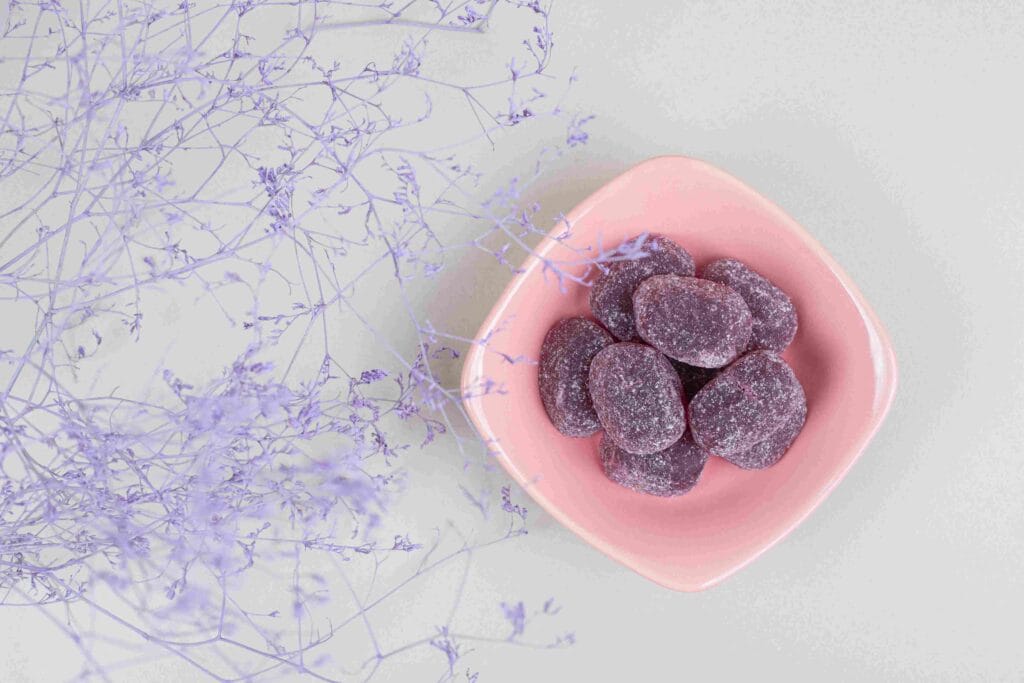
Purple now dominates bakery shelves and trendy cafe menus. The visual appeal is undeniable. However, behind this popularity, a major confusion exists among consumers and F&B industry players alike. Many parties still consider Ube (Purple Yam) and Taro to be the same thing. Both are identical in their purple hue, but they actually originate from very different plants with contrasting flavor profiles.
This misunderstanding is not merely a semantic issue. For Research & Development (R&D) teams in food and beverage companies, failing to distinguish between the two can be fatal. Imagine designing a dessert product that requires the rich, authentic sweetness of Ube but uses the earthy, bland profile of Taro instead. The product might fail to meet market expectations. Understanding the unique characteristics of these two ingredients is key to a new product’s success.
Visual and Botanical Differences: Back to Basics
Before discussing taste, looking at the origins is essential. Ube, or Purple Yam, is known scientifically as Dioscorea alata. As the name implies, the flesh of this tuber has a naturally vivid purple color. When cooked, the texture becomes moist and very soft.
On the other hand, Taro is a species of Colocasia esculenta. Contrary to popular belief, raw Taro flesh is actually white or pale gray with small purple specks. Therefore, the “neon purple” color often seen in Taro Milk Tea on the market is usually due to added food coloring, not the tuber itself. Texturally, Taro is much starchier and slightly sticky when processed.
Sensory Profile Showdown: Dissecting Taste and Aroma
This is the most critical section for a flavor company in Indonesia when developing product formulations. The sensory profiles of Ube and Taro are complete opposites.
Ube is often called the “main star” of the dessert world. The taste is naturally sweet and mellow. The most prominent characteristic is the presence of strong nutty notes, similar to pistachio or chestnut. Additionally, Ube possesses distinct aromatic vanilla undertones. This combination makes Ube “dessert-ready” and rich in flavor, requiring little modification.
Conversely, Taro has a more polite profile. The taste tends to be neutral, earthy, and very starchy. There is a slight nutty taste, but it is far thinner compared to Ube. The aroma is faint, reminiscent of common sweet potatoes or potatoes. Due to its bland profile, Taro applications usually require significant added sweeteners to be accepted as a sweet treat.
Application Guide for F&B Products
Knowing the flavor differences facilitates determining the right product application. Flavor profile errors are often the reason a product fails to secure repeat orders.
When is the right time to use the Ube profile? This profile is ideal for products requiring a prominent sweet taste and a dominant aroma. The best applications are found in bakery products like tear-apart bread, donuts, or croissant fillings. Ube is also very popular for ice cream and fusion drinks like Ube Latte. In terms of pairing, Ube matches perfectly with cheese (Ube Cheese), coconut, white chocolate, and pandan.
Then, when is Taro used? This profile is better suited to products that prioritize a creamy texture and a mild taste. It is no surprise that Taro is king in the powdered drink category, such as Milk Tea or Bubble Tea. Furthermore, because the taste is rather neutral, Taro is also suitable for savory chips or light sponge cakes that are not too sweet.
The Right Flavor Solution with the Experts
Sourcing authentic Ube or Taro raw materials with consistent quality is often a logistical challenge. This is where the vital role of a flavor manufacturer in Indonesia comes into play in maintaining F&B product taste standards. The use of flavors allows producers to get the exact flavor profile—whether it is the nutty, vanilla-scented Ube or the creamy Taro—without worrying about raw material harvest seasons.
Falmont, as a leading flavor manufacturer in Asia, understands these complex nuances between Ube and Taro. With current extraction and formulation technology, Falmont creates flavor profiles that are not only authentic but also stable for various applications, from beverages to baked goods. Collaboration with flavor experts like Falmont ensures the final product has strong character, appetizing color, and successfully captivates consumers.