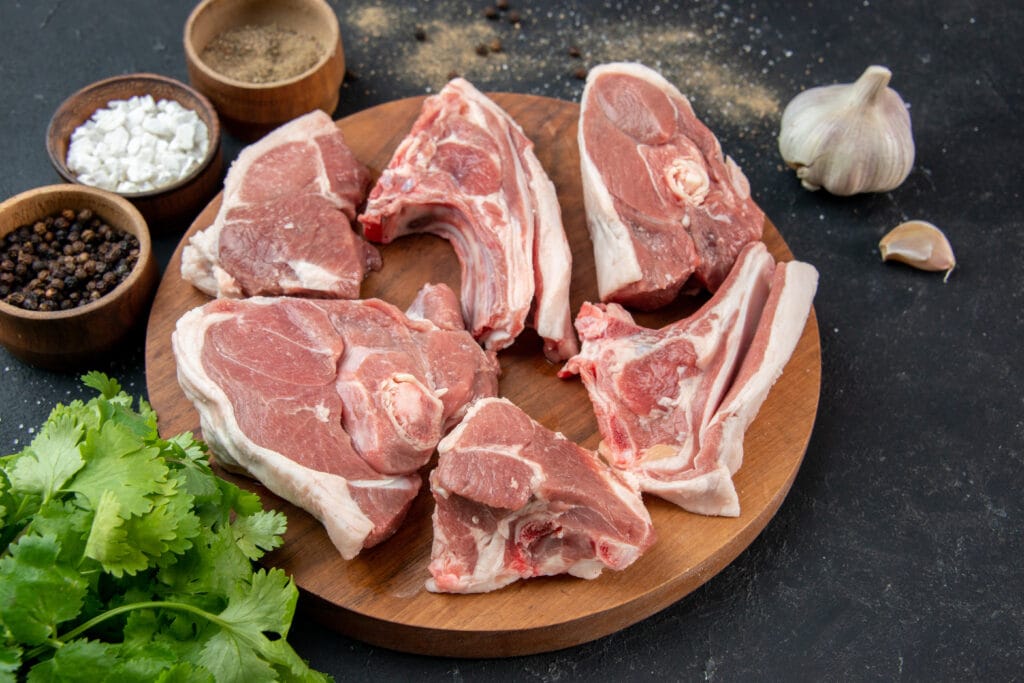
Improving meat flavor goes beyond adding seasoning. It requires the right techniques, careful ingredient selection, and a clear understanding of meat characteristics. In the F&B industry, consistency drives product success. Processing strategies and flavor solutions play a critical role in achieving that consistency.
As part of the ecosystem of flavor companies in Asia, the industry continues to evolve its approach to flavor development. Food producers now focus not only on taste but also on building complex and layered flavor experiences.
Various methods help improve meat flavor. Each method offers unique benefits and fits different product needs.
Fundamental Techniques to Improve Meat Flavor
1. Seasoning as the Foundation of Flavor
Seasoning forms the base of flavor development. A proper balance of salt, acidity, and spices builds a strong flavor profile. Salt enhances the natural taste of meat. Acidic elements like citrus or vinegar create balance. Herbs such as thyme, oregano, and black pepper add depth and complexity.
Timing matters. Add some seasonings early to build depth, and add others later to preserve aroma.
2. Marination for Deeper Flavor
Marination drives flavor deeper into the meat. This process allows seasoning to penetrate the muscle fibers effectively. A typical marinade combines oil, acid, and spices. It adds flavor and improves tenderness.
At an industrial level, producers often combine marination with flavor solutions to maintain consistency. Flavor companies in Indonesia widely apply this approach to support large-scale production.
3. Brining to Retain Moisture
Brining helps retain moisture while improving flavor. This method uses a saltwater solution to treat the meat. Brined meat stays juicier after cooking. This technique works well for poultry and lean cuts. Brining also spreads flavor more evenly. This consistency becomes essential for ready-to-eat products with strict quality standards.
4. Dry Rub for Strong Flavor Character
Dry rub creates a bold outer layer of flavor. This method uses a blend of dry spices applied directly to the meat surface. During cooking, the spices form a rich crust. This crust adds both texture and aroma. Many producers use dry rubs for grilled or smoked meat products. Specific flavor profiles can further strengthen product identity.
Related Article: Look Into the Future of Meat and Plant-Based Alternative Flavors
Cooking Techniques That Influence Flavor
The Importance of Temperature Before Cooking
Bringing meat to room temperature before cooking. This step helps achieve even heat distribution. This approach prevents overcooking on the outside while keeping the inside properly cooked.
Choosing the Right Cooking Method
Each cooking method delivers a different flavor outcome.
- Grilling creates a smoky aroma and suits thicker cuts
- Stir-frying cooks small cuts quickly while preserving juiciness
- Pan-frying adds fat and produces a richer taste
- Pan-broiling cooks meat without added fat for a lighter profile
- Roasting builds deeper flavor through caramelization and suits larger cuts
- Braising combines dry and wet heat to produce very tender textures
- Cooking in liquid, such as boiling or simmering, retains moisture and creates a milder taste
Choose the method based on the product concept and desired outcome.
A Final Step Often Overlooked
Resting for Juicier Results
Let meat rest after cooking. This step allows the juices to redistribute evenly. As a result, the meat stays juicy and retains its texture. In industrial settings, producers can control resting time before packaging to maintain product quality.
The Role of Flavor Solutions in the F&B Industry
Scaling production creates challenges in maintaining flavor consistency. Flavor solutions address this challenge directly. They create stable and repeatable flavor profiles. They also support broader flavor exploration without relying only on raw ingredients.
As part of the network of flavor companies in Asia, Falmont Flavors develops research-driven solutions. These solutions support continuous product innovation. At the same time, the growing food industry increases the importance of flavor companies in Indonesia. Strong flavor innovation now defines competitive advantage in the market.
Building Consistent and Competitive Meat Flavor
Improving meat flavor requires a combination of the right techniques. Seasoning, marination, and cooking methods must work together. In the F&B industry, producers need consistent and scalable solutions. Flavor solutions play a key role in meeting these demands. With the right strategy, meat-based products deliver better taste, stronger consistency, and higher market competitiveness.