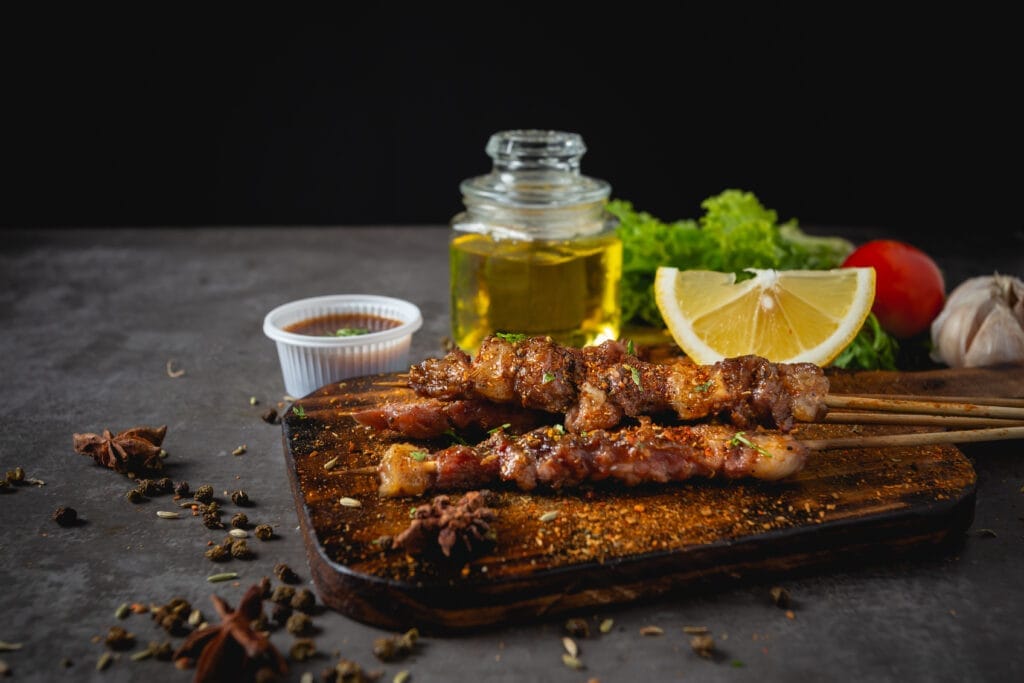
Is Grilled Flavor Always Associated with Fire?
When people hear the words grilled or smoky, most immediately imagine meat being cooked over charcoal. The aroma of smoke has long been an important part of the culinary experience. It feels warm, savory, and appetizing.
However, grilled flavor does not always have to come from direct burning or grilling processes. In today’s modern F&B industry, smoky character can already be created through flavor solutions that are more practical and consistent. One popular option is liquid smoke or smoky flavor in liquid form.
This fun fact often surprises many people in the food and beverage industry. Flavor technology has evolved significantly over the years, making grilled taste easier to achieve in large-scale production. That is why many brands now use flavor solutions to maintain stable taste quality in every production batch.
Why Is Smoky Flavor So Popular?
Smoky flavor has a bold and recognizable character. It is often associated with premium food products, comfort food, and barbecue-style dishes. Grilled notes can also create a richer and more indulgent eating experience. In some products, smoky aroma even becomes the key element that attracts consumers. Because of this, smoky flavor is widely used in many F&B categories such as:
- Barbecue sauces
- Savory snacks
- Instant noodles
- Frozen food products
- Marinade seasonings
- Processed meat products
- Chips and crackers
- Plant-based products
The demand for grilled flavor profiles continues to grow. Consumers are increasingly attracted to bold and authentic taste experiences, encouraging brands to look for more flexible flavor solutions.
Not Every Product Can Be Directly Grilled
Although grilled flavor is strongly linked to fire and smoke, not every product can go through a direct grilling process. In industrial production, direct burning often creates several challenges, including:
- Longer production time
- Inconsistent flavor results
- Smoke intensity that may become too strong or too weak
- Additional operational costs
- Difficulties in large-scale production capacity
Some products are simply difficult to develop with natural smoky notes through conventional grilling methods alone. This is where smoky flavor solutions become more efficient. By using flavor technology, grilled character can be adjusted more easily while maintaining consistency across production batches.
Read too: Smoked & Grilled Beef Flavor: Innovation for Food Products
Liquid Smoke Helps Create More Consistent Flavor
Liquid smoke is known as one of the practical solutions for creating smoky aroma in food products. Its liquid form makes it easier to apply to different product formulations.
In the F&B industry, flavor consistency is extremely important. Consumers expect products to taste the same every time they purchase them. Smoky flavor solutions help maintain that consistency.
In addition, flavor technology also supports product development processes. R&D teams can customize flavor intensity according to market preferences and product positioning. Some products require a light smoky note, while others need a much stronger grilled profile. This flexibility is one of the reasons why flavor usage continues to expand in modern food manufacturing.
Flavor Trends in the Asian F&B Industry
The rapid growth of the food industry in Asia has also increased the demand for flavor innovation. Today, F&B brands focus not only on delicious taste, but also on production efficiency and product consistency.
As a result, many businesses are looking for flavor companies in Asia that can provide customized flavor solutions for different market needs. Every region has unique taste preferences. Some markets prefer sweet smoky notes, while others favor strong savory grilled profiles.
Understanding regional trends has become an important factor in flavor development. In Indonesia, the demand for modern flavor profiles continues to rise across snack products, sauces, ready-to-eat meals, and processed foods.
This makes the role of flavor companies in Indonesia increasingly important in helping brands create competitive products. As a flavor company focused on supporting the F&B industry, Falmont Flavors continues to develop flavor solutions that can be tailored to different product concepts and market preferences.
Flavor Is More Than Just Taste Enhancement
Many people still think flavor is only used to enhance taste. In reality, flavor plays a much bigger role in the F&B industry.
Flavor helps build product identity. Distinctive flavor profiles often become the main reason consumers return to purchase the same product again. In many cases, aroma is the first element that captures consumer attention.
That is why flavor selection should align with product positioning, target market, and overall brand concept. For example, grilled flavor can create a premium, modern, and indulgent impression in a product.
Flavor Innovation Creates New Opportunities
Advancements in flavor technology continue to expand the possibilities of taste creation. Today, smoky sensations are no longer limited to foods cooked directly over fire.
Brands can now deliver grilled character across various product categories in a more practical and efficient way. For the F&B industry, innovations like this create opportunities to develop unique products while maintaining consistency in large-scale production.
As part of the evolving flavor industry, flavor companies in Asia and flavor companies in Indonesia continue to play an important role in delivering relevant taste solutions for changing market demands.