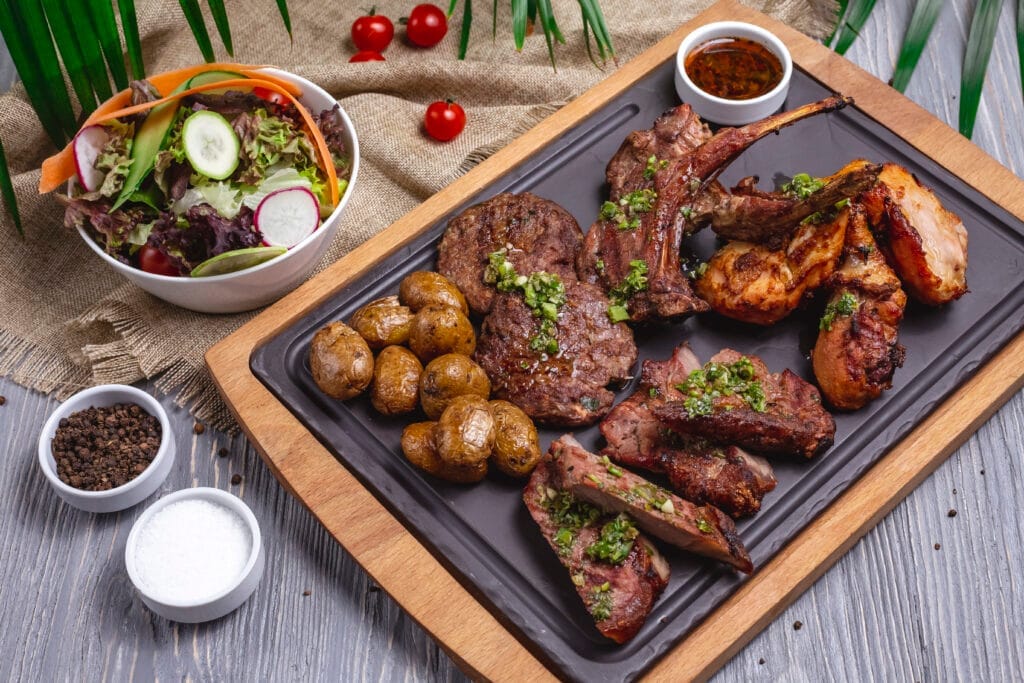
The Brown Color on Meat Actually Plays an Important Role
When people see grilled meat with a golden brown surface, they often imagine a strong savory taste and an irresistible aroma. Interestingly, this is not just habit or suggestion. A fun fact is that brown meat usually has a richer flavor because of the Maillard reaction in meat, which plays a major role in creating complex aroma and taste.
The browner the surface of the meat, the more complex the flavor usually becomes. In food science, this phenomenon happens because of a process called the Maillard reaction. This reaction is one of the key factors that shapes flavor characteristics in many food products, especially meat-based products.
That is why roasted, nutty, and meaty aromas are often found in meat that is grilled, roasted, or fried at high temperatures.
What Is the Maillard Reaction?
The Maillard reaction is a chemical reaction between protein and sugar that occurs when food is heated at certain temperatures. This reaction creates a brown color while also producing hundreds of new aroma compounds. This is the reason grilled meat has a much more complex aroma compared to boiled meat.
Some aroma characteristics produced by the Maillard reaction include:
- Roasted
- Smoky
- Nutty
- Savory
- Meaty
- Caramelized
In the F&B industry, the Maillard reaction is often considered an important element in creating a richer and more premium taste experience. The more optimal the reaction process, the stronger the aroma profile usually becomes.
Why Is Grilled Meat Aroma More Appealing?
When meat is exposed to high heat, the outer surface starts to change structurally. Proteins, fats, water, and aroma compounds begin interacting with one another. This combination creates flavor complexity.
Many people think delicious meat flavor only comes from seasoning. In reality, the heating process has a major impact on aroma formation.
That is why cooking techniques such as grilling, roasting, and searing often create stronger flavor profiles compared to steaming or boiling methods. These distinctive aromas even become the main identity of many modern food products.
Read too: Innovative Chicken Flavor Recommendations for Retail Products
Steamed and Boiled Products Have Different Challenges
Interestingly, not all food products go through grilling or direct burning processes.
In large-scale F&B production, many products are processed using steaming or boiling methods because they are more efficient and stable. However, these methods come with one major challenge. Steamed and boiled products generally produce much less Maillard reaction. As a result, complex roasted and meaty aromas often fail to develop naturally. The flavor profile becomes lighter and less bold.
In some product categories, this condition can affect consumer taste perception. Examples include:
- Instant noodles
- Frozen food products
- Broths
- Sauces
- Processed meat products
- Ready-to-eat meals
- Savory snacks
That is why many manufacturers need additional approaches to strengthen product flavor characteristics.
What Is Flavor Compensation?
In the modern food industry, one commonly used solution is flavor compensation. Simply put, flavor compensation helps restore flavor characteristics that are not fully developed during the production process. For example, steamed or boiled products often lose the roasted and grilled notes typically created during high-temperature cooking.
Through the use of the right flavor solutions, these taste profiles can be rebuilt so the final product still feels rich and consistent. This approach helps many brands maintain product sensory quality without changing their main production systems. In addition, flavor compensation is important for maintaining consistency between production batches on a large scale.
Flavor Helps Maintain Product Consistency
In the F&B industry, flavor consistency is extremely important. Consumers expect products to taste the same every time they buy them. Because of this, many companies rely on flavor technology to maintain quality standards.
Flavor does not only function as a taste enhancer. Flavor also helps build product identity, strengthen aroma, and create a more enjoyable eating experience. In meat based products, roasted and meaty characteristics often become the key elements that determine product appeal. It is no surprise that the demand for flavor solutions continues to grow across different countries.
This trend also encourages many industry players to search for flavor companies in Asia that understand regional market trends and modern production needs.
Flavor Trends in the Asian F&B Industry
The growth of the food industry in Asia has made flavor exploration increasingly complex.
Consumers now prefer flavors that are bold, authentic, and indulgent. Products with grilled, roasted, and savory profiles are becoming more popular across various food categories. That is why flavor companies in Indonesia also play an important role in helping brands create flavor profiles that match local market preferences.
Each product category requires a different flavor approach. Snack products certainly have different sensory needs compared to sauces or frozen foods. Understanding production processes has also become an important factor in modern flavor development.
As part of the growing flavor industry, Falmont Flavors continues to provide various flavor solutions to help the F&B industry create richer, more consistent flavor profiles tailored to product needs.
Complex Flavor Does Not Always Have to Come from Grilling
An interesting fun fact is that the complex taste sensation in meat is heavily influenced by a simple chemical reaction called the Maillard reaction. The browner the meat surface becomes, the more aroma compounds are usually formed.
However, in modern industry, not all products can be processed using direct grilling or burning techniques. Because of this, flavor solutions become an important way to consistently deliver roasted, savory, and meaty characteristics.
For the F&B industry, understanding flavor processes like this can open bigger opportunities to create competitive products that consumers enjoy.