The History of the Indonesian Spice Trade is more than a story of commerce. It is the story of how a small group of islands in Indonesia changed the course of world history. As a traveller, a journey often brings home more than photographs and memories—it also reveals the remarkable history of places that once became the center of global power struggles.
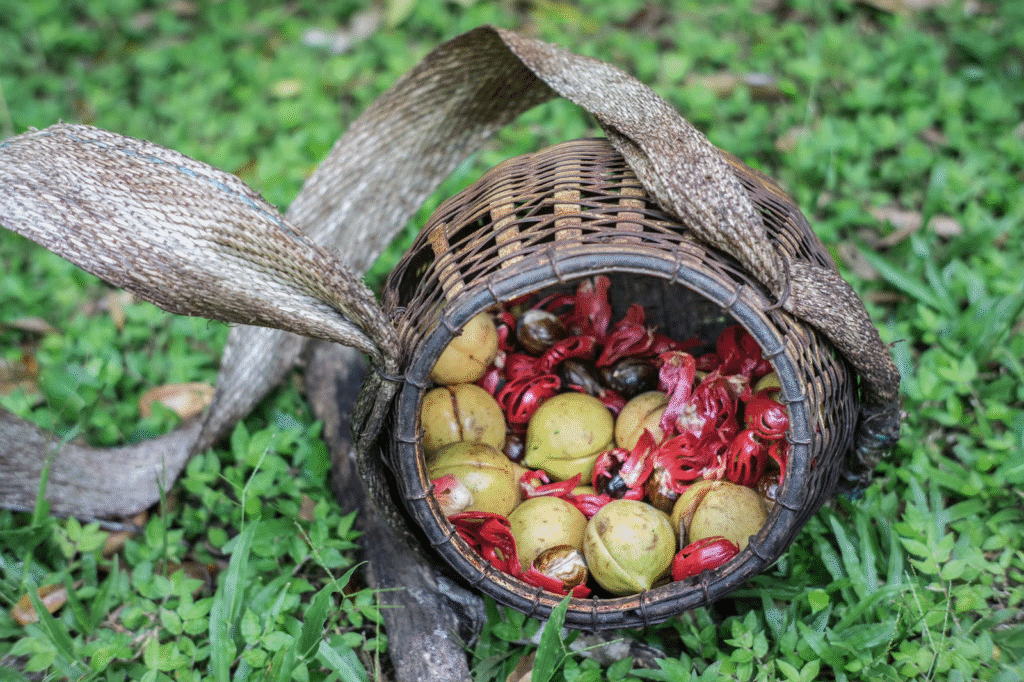
One of those extraordinary destinations is the Banda Islands, the birthplace of nutmeg, a spice that was once considered one of the most valuable commodities in the world.
When Kitchen Spices Were Worth More Than Gold
Open your kitchen cabinet. You will likely find a small jar of ground nutmeg, a handful of cloves, or a stick of cinnamon. Today, these spices are affordable, widely available, and easy to purchase.
Centuries ago, however, these everyday ingredients were worth more than gold. They inspired wars, cost thousands of lives, launched naval expeditions, and permanently reshaped the map of the world.
The Spice Islands: The World’s Only Source
For centuries, the Indonesian archipelago was the world’s only source of many highly prized spices. Cloves grew exclusively in North Maluku, particularly around Ternate and Tidore, while nutmeg and mace were found only in the Banda Islands.
Nowhere else.
That is why the region became known worldwide as The Spice Islands. In Europe, the value of spices soared after passing through Arab, Indian, and Venetian traders. Nutmeg purchased cheaply in Banda could be sold for enormous profits across Europe.
At the time, nations were not competing for oil or gold. Instead, they fought for Indonesian spices used to preserve food, flavor dishes, and prepare medicines.
A Monopoly Paid for in Blood
In 1512, the Portuguese arrived in Banda. They were soon followed by the Spanish, the English, and eventually the Dutch, all seeking control of the lucrative spice trade.
Yet the history of spices is not only about commerce—it is also about greed. In Banda, that greed reached its darkest chapter.
In 1621, VOC Governor-General Jan Pieterszoon Coen led a military campaign supported by Japanese mercenaries. Of the approximately 15,000 inhabitants of the Banda Islands, fewer than one thousand survived. Many were killed, exiled, or enslaved. Coen later became infamous as the “Butcher of Banda.”
The abandoned plantations were then repopulated with enslaved laborers to ensure a steady supply of nutmeg while maintaining its high market value.
Manhattan Exchanged for a Tiny Spice Island
One of history’s most remarkable territorial exchanges took place in 1667 with the Treaty of Breda.
England ceded Run Island in the Banda archipelago to the Dutch, while the Dutch surrendered Manhattan to England. The land that would eventually become New York City was considered less valuable than securing complete control over the global nutmeg trade.
For the Dutch, a small spice island was worth more than the future of one of the world’s greatest cities.
A Legacy That Lives On
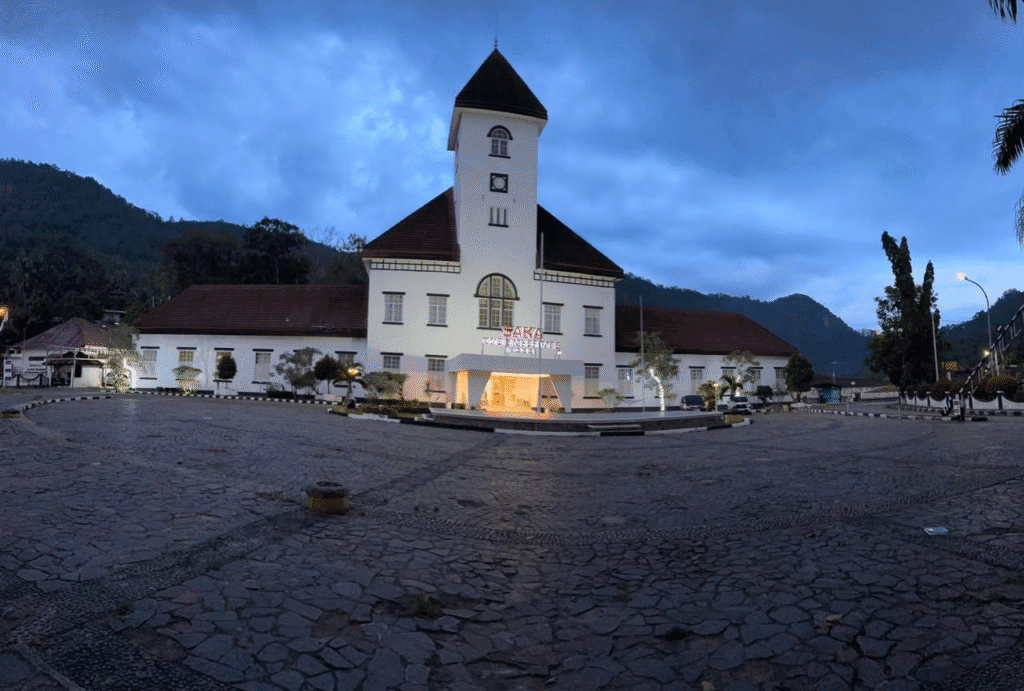
Four centuries later, this extraordinary chapter of history has gradually faded from public memory. Yet what the world once fought over was more than spices—it was the natural wealth, knowledge, and cultural identity of the Indonesian archipelago.
Pepper, nutmeg, cloves, cinnamon, turmeric, candlenut, lemongrass, galangal, and kaffir lime leaves continue to flourish across Indonesia today.
This remarkable heritage has never truly disappeared. It simply awaits those who appreciate the rich history, culture, and traditions behind every aroma and flavor.